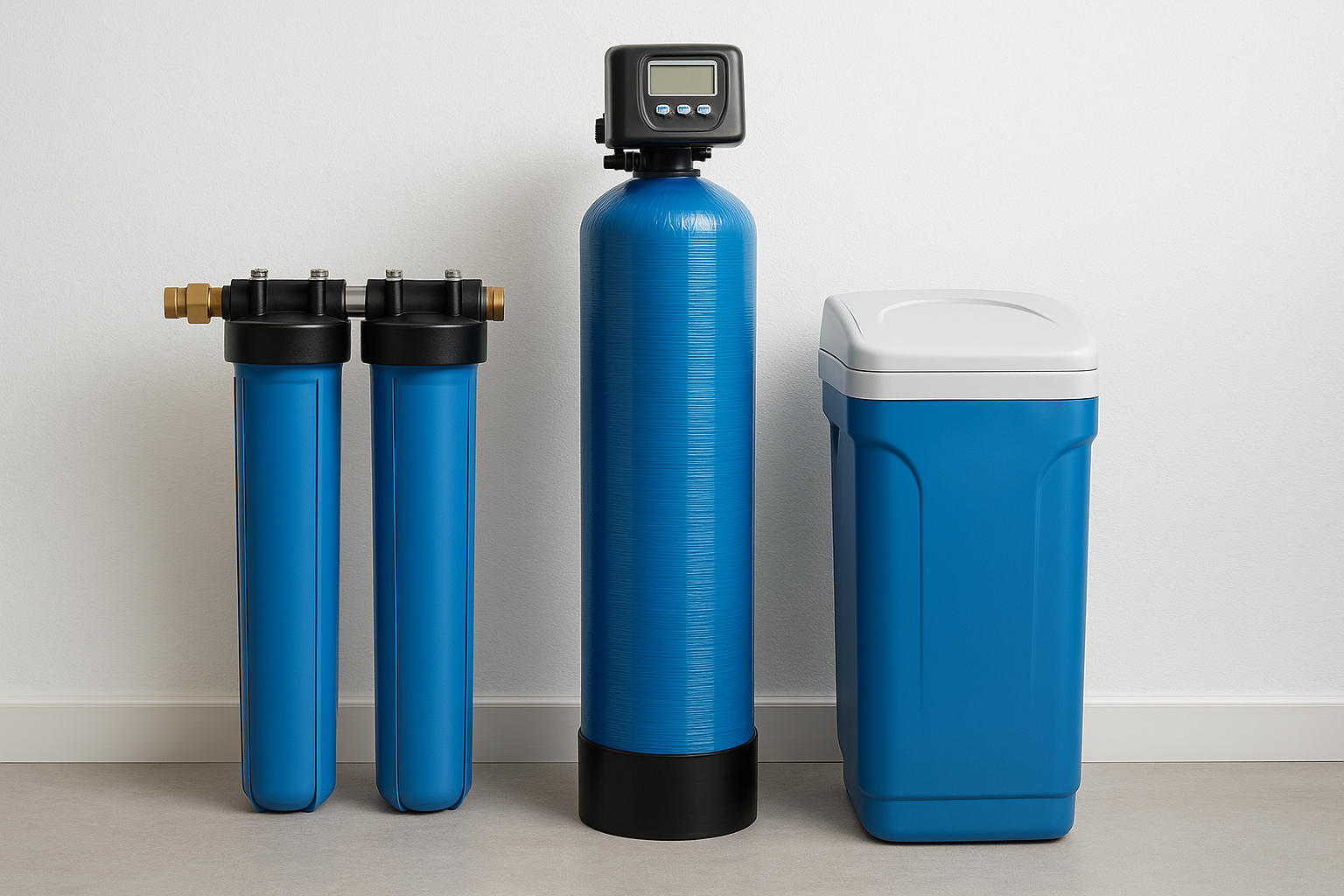
Why Choosing the Right Water Softener Matters
Hard water affects millions of households. It leaves mineral buildup on faucets, shortens appliance life, and can dry out skin and hair. Choosing the right water softener protects your plumbing, reduces detergent use, and can save money over time. This guide walks you through the practical steps to select a system that fits your water quality, household needs, and budget.
Understanding Hard Water and Its Effects
What is hard water?
Hard water contains dissolved minerals—primarily calcium and magnesium. The concentration is measured in grains per gallon (gpg) or parts per million (ppm). Knowing your water hardness is the first step to choosing a system.
Common problems caused by hard water
- Scale buildup in pipes, water heaters, and fixtures
- Reduced efficiency and shorter appliance life (dishwashers, washing machines, water heaters)
- Soap scum, dull laundry, and extra detergent use
- Dry skin and hair
Types of Water Softeners
Ion-exchange (salt-based) softeners
Ion-exchange systems are the most common and effective for removing hardness minerals. They swap calcium and magnesium ions for sodium or potassium. These systems are proven, regenerate periodically, and effectively reduce scale.
Salt-free (conditioners) systems
Salt-free systems don’t remove hardness minerals; instead, they alter the way minerals behave so scale doesn’t adhere to surfaces. They’re low-maintenance and avoid added sodium in water, but they may be less effective where hardness is very high or where soft water is required for certain appliances.
Template Assisted Crystallization (TAC) and magnetic devices
TAC and certain magnetic devices attempt to prevent scale formation by changing mineral crystal structure. TAC is a salt-free option with growing positive results, while magnetic systems vary widely in effectiveness—research and verified performance data are important when considering these.
Sizing and Capacity: Getting the Numbers Right
Calculate the grains of hardness
To size a system, multiply your household’s daily water usage (gallons) by the water hardness (gpg) to get grains per day. This determines the softener capacity needed before regeneration.
Consider flow rate (GPM)
Flow rate matters for simultaneous fixtures. If your system can’t deliver the required gallons per minute (GPM), you’ll notice reduced water pressure. Check peak demand—showers, washer, and dishwasher running together—to select a softener with an appropriate valve and tank size.
Features to Consider
Regeneration type: time-clock vs demand-initiated
Traditional softeners regenerate on a timer, which can waste salt and water. Demand-initiated regeneration (DIR) uses actual water usage to trigger regeneration, improving efficiency and saving resources.
Efficiency and certifications
Look for systems with verified performance (NSF/ANSI standards or similar) and check water/salt usage per regeneration. Energy-efficient and water-saving models lower operating costs over time.
Control heads and smart features
Modern control heads allow remote monitoring, auto-adjustments based on usage, and alerts for maintenance or salt levels. These conveniences improve reliability and user experience.
Installation and Maintenance
Professional installation vs DIY
Professional installation ensures correct plumbing, proper bypass setup, and compliance with local codes. DIY may save on labor but risks improper installation, which can lead to performance issues. For peace of mind and warranty compliance, professional installation is often recommended.
Routine maintenance
Maintenance typically includes keeping the salt or potassium tank filled, periodic resin cleaning (for ion-exchange systems), and annual inspections. Follow manufacturer recommendations and schedule service when performance drops or alarms indicate issues.
Cost and Return on Investment
Upfront vs long-term costs
Initial costs vary by type and size—salt-based systems generally cost more up front than basic salt-free conditioners, but they may deliver greater savings in appliance repair and energy over time. Factor in salt or potassium costs, water usage for regeneration, and periodic service when calculating ROI.
How to Choose the Right System for Your Home
Assess your water
Start with a water test for hardness, iron, pH, and other contaminants. Iron can foul softener resin, and high chlorine levels may require chlorine removal before a softener.
Match the system to household needs
Consider family size, peak flow needs, appliance sensitivity, and whether sodium in softened water is a concern. For high hardness and large households, a high-capacity ion-exchange system with DIR is often best.
Warranty, support, and service
Choose a brand with a strong warranty and reliable local service. Regular maintenance and quick access to parts and service extend the life of any system.
Next Steps: Get Professional Guidance
If you’re ready to move forward or want personalized recommendations, reach out to Custom Filtration Systems for an appointment. A qualified technician can test your water, recommend the right system, and provide professional installation and service plans tailored to your home.
Conclusion
Choosing a water softener comes down to understanding your water, sizing the system correctly, and balancing upfront cost with long-term savings and maintenance. With the right information and professional help—like an appointment with Custom Filtration Systems—you’ll protect your plumbing, appliances, and family’s comfort for years to come.