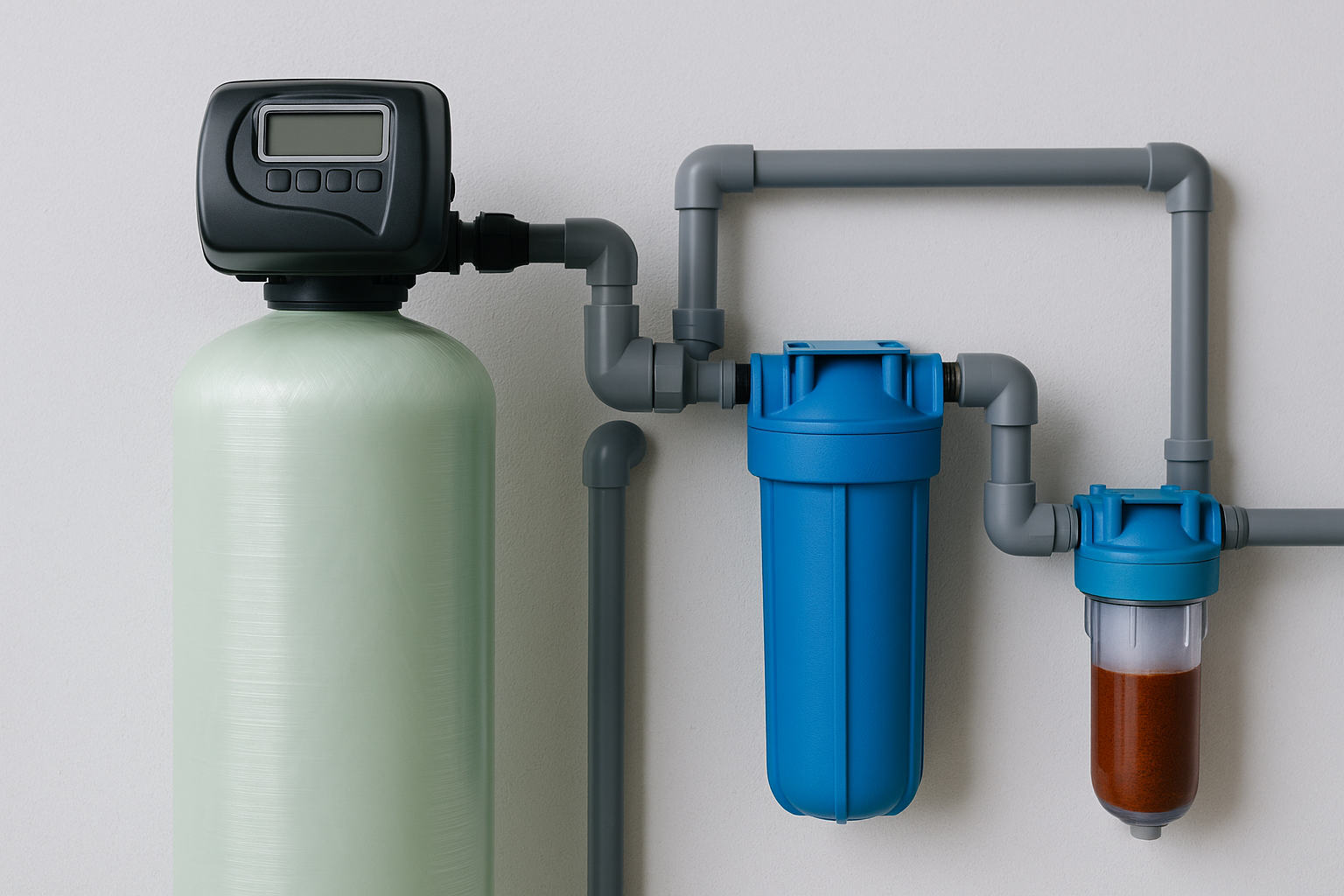
Understanding Iron in Well Water
Iron is one of the most common naturally occurring contaminants in groundwater. While not typically harmful to health at usual well concentrations, iron can cause a host of practical problems: rusty staining on sinks and laundry, metallic taste, clogged plumbing and appliances, and reduced efficiency of water-using equipment. Knowing the form of iron present and its concentration is the first step toward an effective solution.
Signs and Problems Caused by Iron
- Reddish-brown or yellow stains on fixtures, toilets, and clothing
- Metallic or bitter taste in drinking water
- Reduced life and efficiency of water heaters, dishwashers, and washing machines
- Clogged pipes and well screens, lower flow from faucets
- Discolored water especially after sitting in pipes overnight
Types of Iron Found in Well Water
Iron in well water typically appears in three forms, and the treatment choice depends on which forms are present:
- Ferrous iron, or clear water iron, is dissolved and invisible until exposed to oxygen.
- Ferric iron, or red water iron, is particulate and causes immediate staining.
- Manganese and combined iron-manganese can behave similarly but often require different media or stronger oxidation.
Types of Iron Removal Systems
Air Injection Oxidation Filters
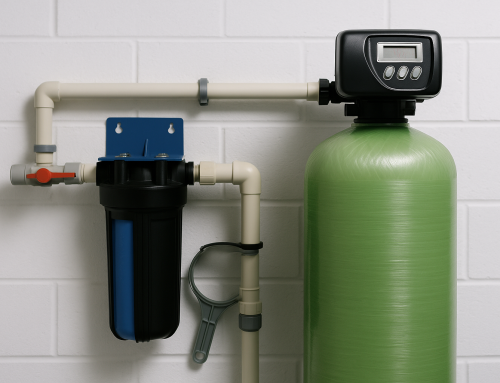
Air injection systems introduce oxygen into the water to oxidize dissolved iron into particles that can be trapped by a backwashing filter. These systems are effective, low maintenance, and chemical free. They work best for moderate iron levels and require prefiltration if turbidity is high.
Chemical Oxidation and Filtration
Chemicals such as chlorine or hydrogen peroxide are injected to oxidize iron and bacteria, followed by filtration to remove the oxidized particles. This approach handles high iron concentrations and concurrent bacterial issues, but it requires chemical handling and a contact tank for reaction time.
Greensand and Manganese Greensand Filters
Greensand media, often treated with potassium permanganate, chemically removes iron and manganese through oxidation and filtration. These systems are proven and effective but need periodic regeneration and careful chemical dosing.
Catalytic Carbon and Specialized Media
Catalytic activated carbon and other catalytic media can facilitate the oxidation of iron and remove tastes and odors, including hydrogen sulfide. They are often used in combination systems to address multiple contaminants.
Water Softeners and Ion Exchange
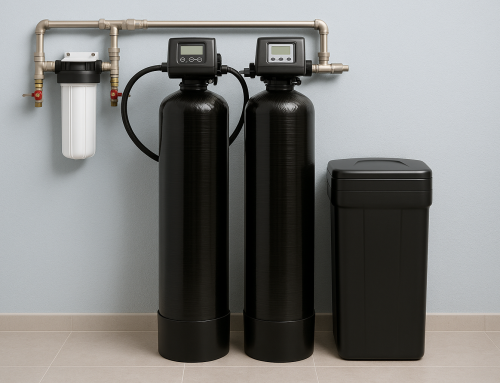
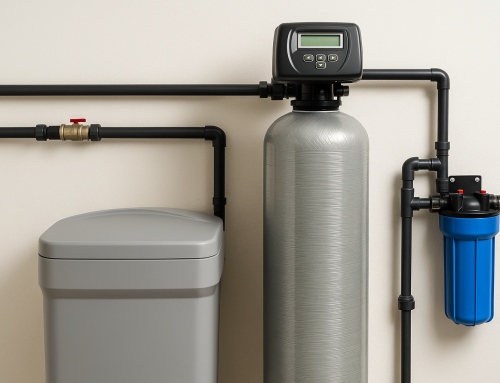
Traditional water softeners can remove small amounts of dissolved iron via ion exchange, but they are not ideal for higher iron concentrations because iron fouls the resin and increases maintenance. Specialized resins exist for higher iron loads, but sizing and prefiltration are important.
How to Choose the Right System
Test Your Water First
Get a comprehensive well water test that measures total iron, dissolved iron, manganese, pH, hardness, and bacteria. The test results guide which removal method will be most effective.
Consider Water Use and Flow Rates
System sizing should match peak household flow rates and daily usage. Undersized systems reduce performance and shorten equipment life.
Account for pH and Other Contaminants
Low pH can keep iron dissolved and make removal harder; pH adjustment might be necessary. If hydrogen sulfide or bacteria are present, choose a system that addresses those issues as well.
Installation and Maintenance
Proper installation by an experienced technician ensures systems operate at peak efficiency. Regular maintenance includes backwashing as required, media regeneration or replacement, checking chemical feed systems, and periodic water retesting. Some systems need annual service while others require seasonal attention depending on iron load and water quality.
Costs and Lifespan
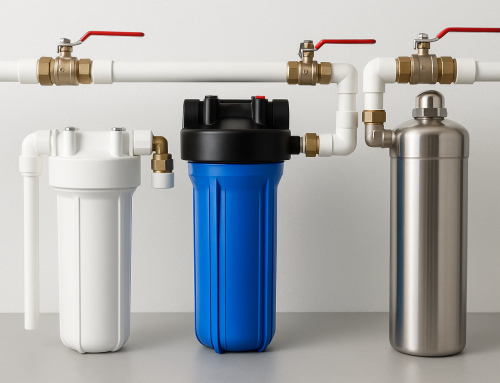
Upfront costs vary widely: basic point-of-entry filters can start in the low hundreds, while whole-house oxidation and chemical feed systems may range from a few thousand dollars installed. Media typically lasts several years; mechanical components such as pumps and controllers may need replacement over time. Consider lifecycle costs including maintenance, chemicals, and energy when comparing options.
When to Call a Professional
Iron treatment requires correct diagnosis and sizing. If you see recurring staining, unusual tastes, low flow, or if a water test shows elevated iron or bacteria, it is wise to consult a professional. A qualified technician can recommend the right combination of pretreatment, oxidation, and filtration for your well.
Conclusion
Iron in well water can be more than an annoyance—left untreated it can damage appliances, stain fixtures, and affect daily life. The best approach begins with accurate water testing and choosing a system tailored to the type and level of iron, flow needs, and other water chemistry factors. For personalized recommendations and professional installation, reach out to Custom Filtration Systems to schedule an appointment. Their team can test your water, explain options, and design a solution that fits your home and budget.