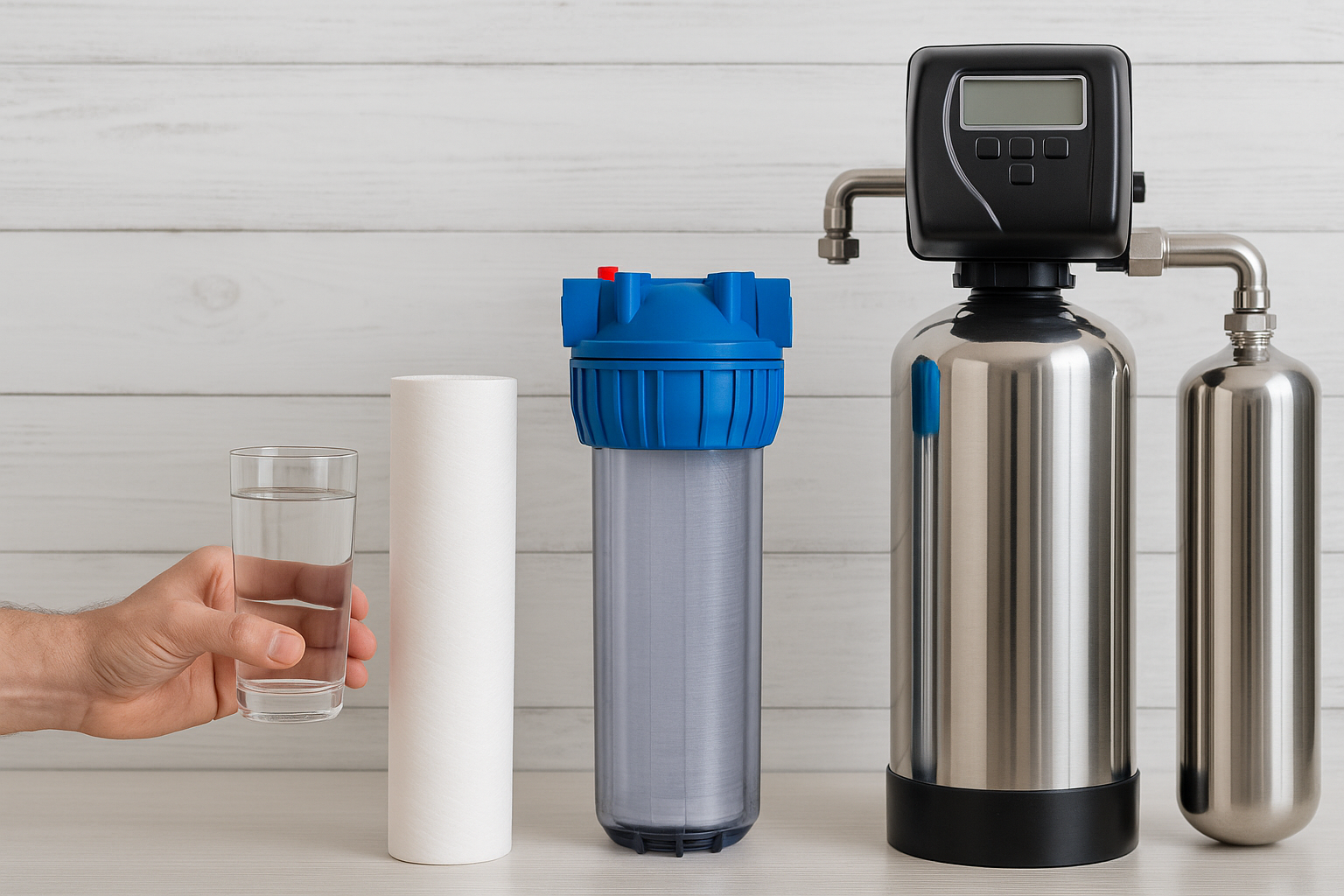
Why choosing the right well water filtration system matters
Well water can be a reliable, cost-effective source for your home—but it also varies widely in quality depending on location, geology, and local land use. Choosing the wrong filtration system can leave contaminants in your drinking water, reduce system lifespan, or create unnecessary expense. This guide walks through testing, technology options, sizing, maintenance, and when to call a professional so you can make an informed decision for your household.
Step 1: Test your well water
What to test for
Start with a comprehensive water test. Common parameters include:
- Bacteria (total coliform, E. coli)
- Nitrate and nitrite
- Hardness (calcium & magnesium)
- Iron and manganese
- pH and alkalinity
- Volatile organic compounds (VOCs) and pesticides (if agricultural or industrial activity is nearby)
- Total dissolved solids (TDS) and turbidity
How to get testing done
Use a certified laboratory or a well-regulated public health testing service. Many local health departments and private labs offer well-water test kits with clear instructions. Accurate testing is the foundation for choosing an effective filtration system—don’t skip it.
Step 2: Identify the right filtration technology
Common contaminants and recommended systems
Match treatment technology to the contaminants found in your test results:
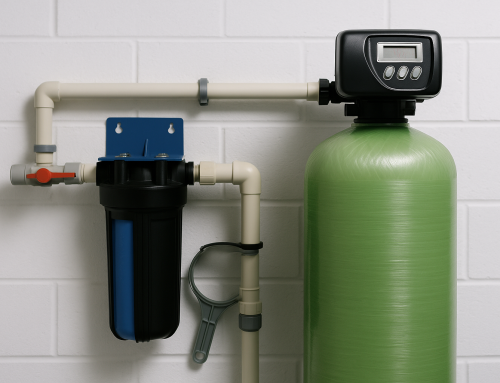
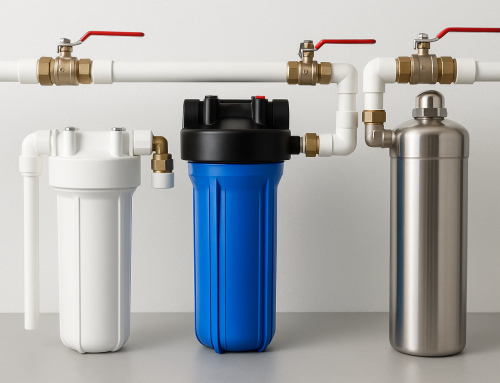
- Sediment and turbidity: Use sediment pre-filters or multimedia filters to remove sand, silt, and particles.
- Chlorine and organic chemicals: Granular or carbon block filters adsorb VOCs, pesticides, and improve taste and odor.
- Iron and manganese: Oxidation filters, greensand, or specialized iron filters are effective.
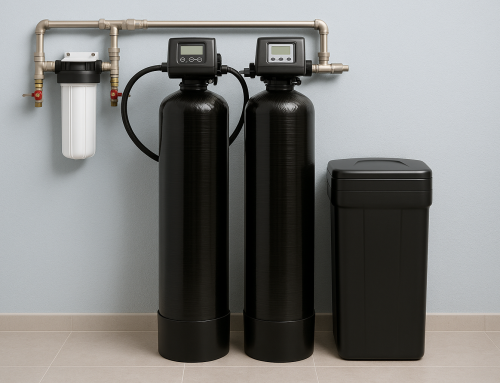
- Hardness (calcium/magnesium): Water softeners (ion exchange) or template-assisted crystallization options reduce scale buildup.
- Bacteria and viruses: UV disinfection systems or chlorination can inactivate biological contaminants. Combine with filtration to remove particulates that shield microbes.
- Dissolved solids and heavy metals: Reverse osmosis (RO) systems remove many dissolved ions and heavy metals at point-of-use (drinking water taps).
Whole-house vs point-of-use
Consider whether you need whole-house protection or targeted treatment:
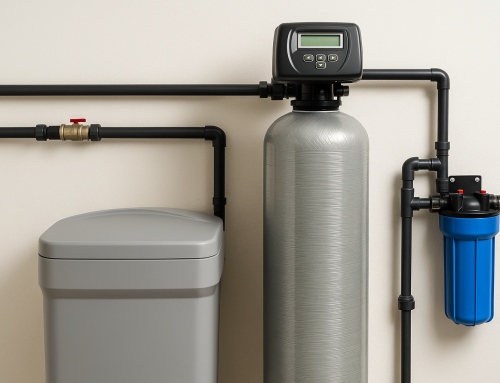
- Whole-house (point-of-entry): Treats water before it reaches fixtures—best for sediment, iron, hardness, and protecting appliances.
- Point-of-use: Systems like RO are installed at a single tap (kitchen) for drinking and cooking water—ideal for removing dissolved contaminants and improving taste.
Step 3: Size, flow rate, and capacity
Flow rate
Match the system’s flow rate to your household demand. Whole-house systems need to meet peak flow rates for showers, appliances, and simultaneous use. Flow rate is usually measured in gallons per minute (GPM). Undersized systems can cause pressure drops and poor performance.
Filter life and maintenance
Consider filter capacity (gallons treated before replacement) and maintenance frequency. Some filters need cartridge changes every 3–6 months; others like media beds may last several years with backwashing. Factor in the cost and convenience of replacement parts when choosing a system.
Step 4: Certifications, warranties, and costs
Certifications to look for
Choose products certified by reputable organizations like NSF/ANSI (e.g., Standard 42 for taste & odor, 53 for health-related contaminants). Certifications confirm a system performs as claimed under independent testing.
Budgeting long-term
Initial purchase and installation are only part of the cost. Include replacement filters, media regeneration (for softeners), electricity for UV systems, and potential repairs. A slightly higher upfront cost can be worth it if maintenance and long-term reliability are superior.
Installation and professional help
DIY vs professional installation
Simple point-of-use units can often be installed by handy homeowners, but whole-house systems, UV sterilizers, and RO setups frequently require professional plumbing and electrical work. Proper installation ensures peak performance and avoids issues like leaks or cross-contamination.
Why contact Custom Filtration Systems
If you want expert guidance, testing, and professional installation, reach out to Custom Filtration Systems to schedule an appointment. Their team can assess your test results, recommend the right combination of whole-house and point-of-use technologies, and handle installation and ongoing maintenance so you get safe, reliable water with minimal hassle.
Frequently asked questions
How often should I test my well water?
Test annually for standard parameters and immediately if you notice changes in taste, smell, color, or after nearby construction or flooding.
Will filtration remove bacteria?
Mechanical filters alone don’t guarantee removal of bacteria. Combine filtration with UV disinfection or chemical treatment (when appropriate) for microbial protection.
Conclusion
Choosing the right well water filtration system starts with accurate testing and ends with selecting technologies matched to your specific contaminants, household needs, and budget. Prioritize certified products, plan for ongoing maintenance, and consider professional help for whole-house solutions. For personalized recommendations and installation, reach out to Custom Filtration Systems to book an appointment and take the guesswork out of securing clean, safe water for your home.