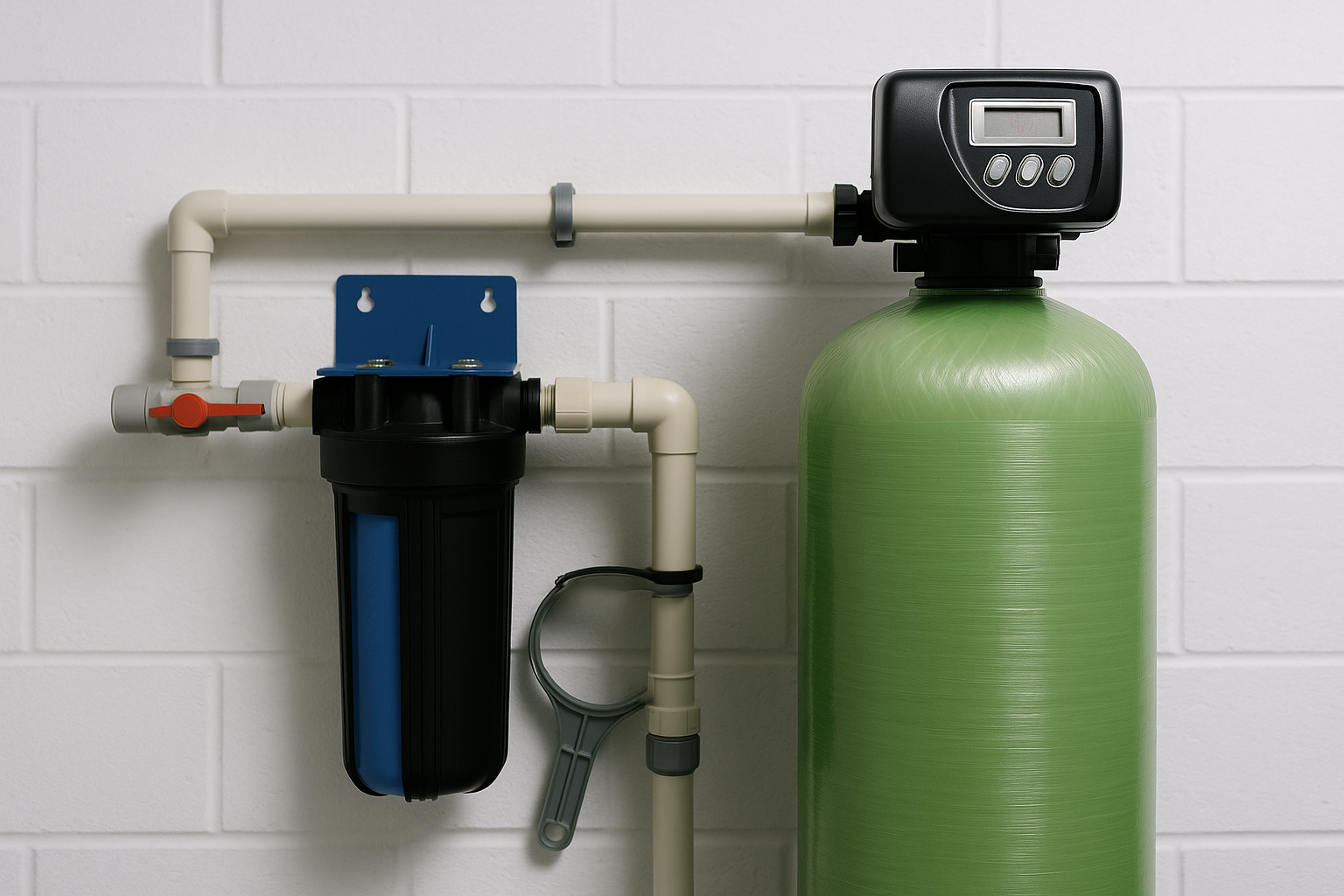
Understanding Iron in Well Water
Iron is one of the most common contaminants found in well water. While not typically dangerous to health at household concentrations, iron can cause unpleasant tastes, metallic odors, staining of fixtures and laundry, clogged pipes, and accelerated wear on appliances. Knowing the type and concentration of iron in your well is the first step to selecting an effective removal system.
Types of Iron
- Ferrous (dissolved) iron: Clear in water but turns reddish-brown when exposed to air and oxidizes. Often causes metallic taste and staining over time.
- Ferric (particulate) iron: Visible as rust-colored particles, typically causes obvious staining and sediment issues.
- Colloidal iron: Extremely fine particles that make water look yellow or tea-colored and are harder to filter.
- Iron bacteria: Microbial growth that produces slime, unpleasant odors, and clogging; requires different treatment than chemical forms of iron.
Testing Your Well Water
Accurate testing tells you what type of iron you have and at what concentration. A full well-water test should include iron (total and ferrous), pH, manganese, hardness, and other common contaminants.
How to Test
- Use a certified lab for reliable results; many local health departments or private labs offer well-water testing.
- Consider a field test kit for preliminary checks, but confirm with lab testing before purchasing equipment.
- Test frequency: annually for stable wells, or sooner if you notice changes in water quality.
Overview of Iron Removal Systems
There are several effective approaches to remove iron from well water. The right choice depends on iron form and concentration, flow rate, other water chemistry, and your budget.
Common Iron Removal Methods
- Oxidation + Filtration: Converts dissolved iron to particulate iron (oxidation) and filters it out. Oxidants can be air, chlorine, or potassium permanganate.
- Greensand Filters: Use a coated sand (often with manganese oxide) to oxidize and filter iron. Effective for moderate iron levels and can be regenerated with potassium permanganate.
- Aeration (Air Injection) Systems: Inject air to oxidize dissolved iron, then filter out the solids. Good for low-to-moderate iron and chemical-free.
- Catalytic Carbon Filters: Designed for oxidation and adsorption; useful when organics are present alongside iron.
- Water Softeners: Traditional ion-exchange softeners can remove low levels of dissolved ferrous iron (typically under 3 ppm), but iron can foul resin if levels are high.
- Chemical Oxidation (Chlorination): Effective for high iron concentrations and iron bacteria; usually followed by filtration and dechlorination.
Choosing the Right System
Selecting the best system requires balancing performance, maintenance, and cost.
Factors to Consider
- Iron concentration and type: High levels or iron bacteria often require stronger oxidation and disinfection methods.
- Flow rate and household demand: Ensure the system can handle peak usage and simultaneous fixtures.
- Other water chemistry: pH, manganese, hydrogen sulfide, and hardness affect system choice and effectiveness.
- Maintenance needs: Some systems require media regeneration or periodic chemical addition; others are lower maintenance but may cost more initially.
- Budget: Consider upfront costs, ongoing consumables (chemicals, media), and service requirements.
Installation and Maintenance
Proper installation and routine maintenance maximize system life and performance.
DIY vs. Professional Installation
While some homeowners install simple systems, professional installation is recommended for air injection, chlorination, and any system that ties into household plumbing or requires pressurized tanks. A professional will size the system correctly and ensure safe connections.
Routine Care
- Follow manufacturer schedules for media replacement or regeneration.
- Monitor water quality and pressure drop across filters; increasing pressure loss often signals filter fouling.
- Sanitize and inspect components annually, especially if iron bacteria were present.
When to Consult a Pro
Complex cases—very high iron levels, iron bacteria, hydrogen sulfide, or multiple contaminants—benefit from expert evaluation. A water treatment professional can run in-depth tests, recommend the most reliable systems, and provide ongoing service to protect your plumbing and appliances.
Schedule an Appointment
If you’re dealing with persistent iron problems or want a water quality assessment, reach out to Custom Filtration Systems to schedule an appointment. Their experienced team can test your well water, recommend the best iron removal solution for your home, and handle professional installation and maintenance.
Conclusion
Iron in well water is common but solvable. By testing your water, selecting the right removal method, and maintaining your system, you can enjoy clean, clear water free of stains, odors, and plumbing issues. For tailored advice and professional service, contact Custom Filtration Systems to set up an appointment and get a solution that fits your needs.