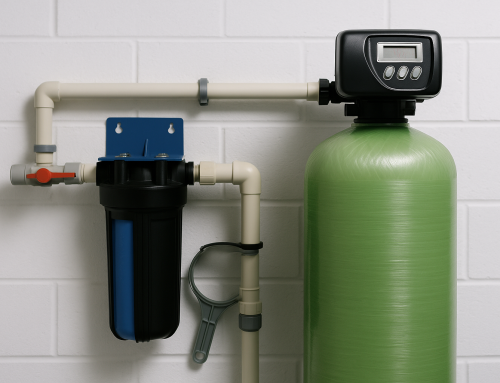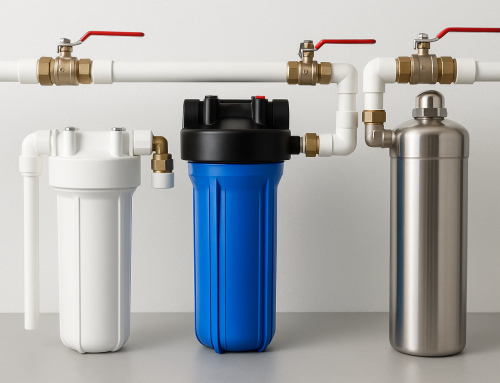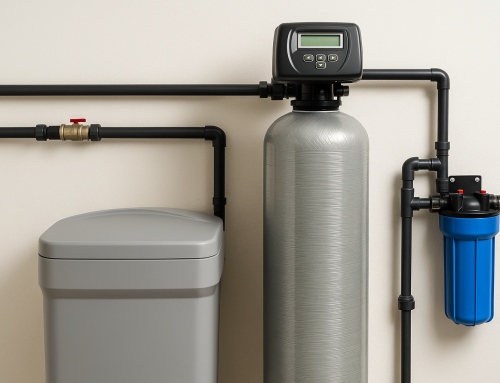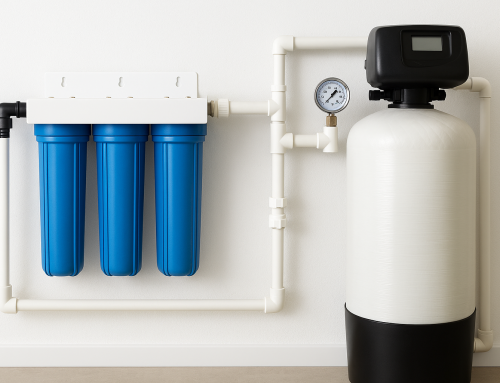
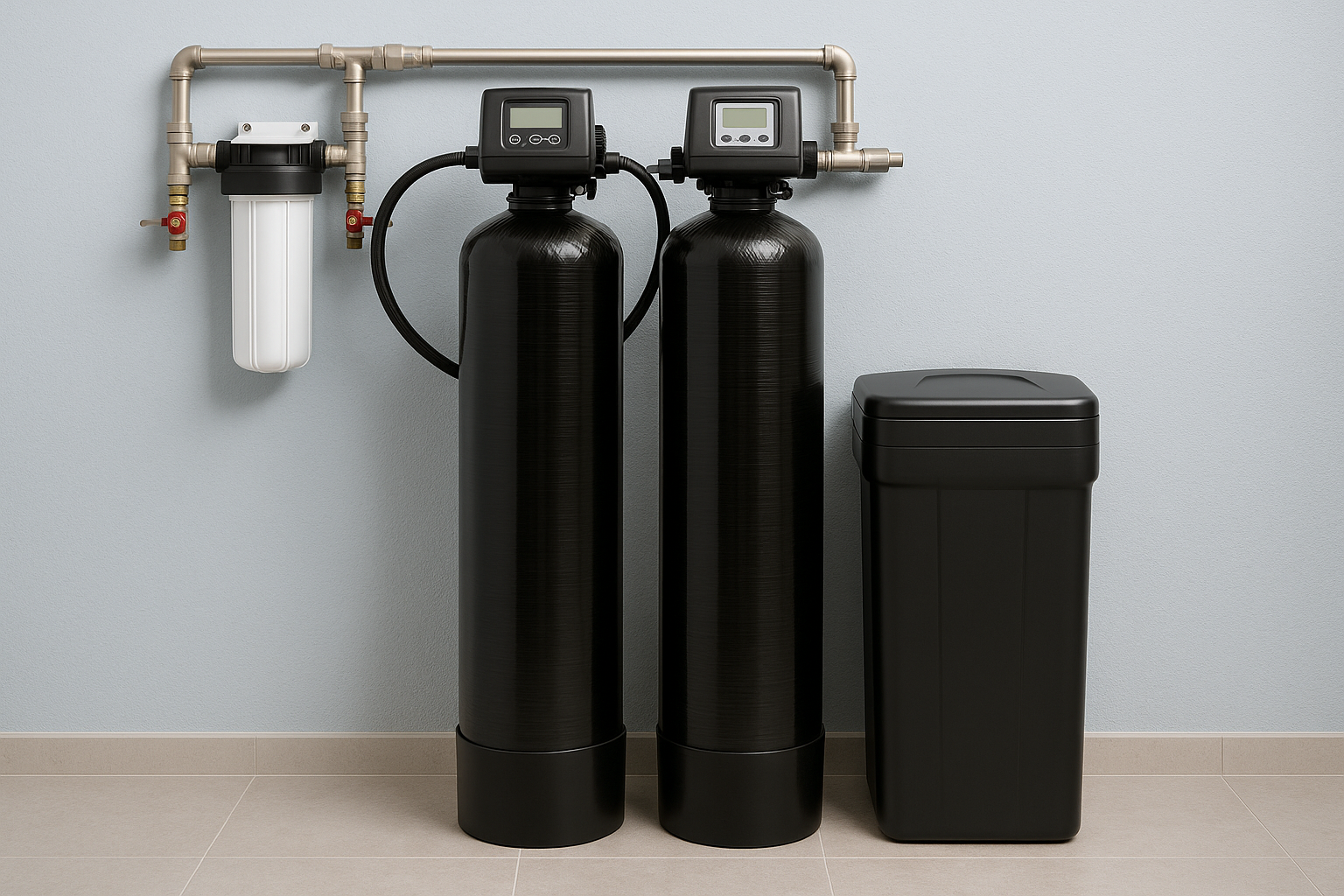
Why Choose a Whole Home Water Filtration System with Softener?
If you’re tired of dry skin, dingy laundry, mineral buildup on fixtures, or questionable water taste, a whole home water filtration system combined with a water softener can be a game changer. These integrated systems treat water at the point it enters your home, ensuring every faucet, shower, and appliance gets cleaner, softer water without the need for individual under-sink units or pitchers.
How Whole Home Systems Work
Whole home systems typically combine filtration and softening technologies in a two-stage approach:
- Filtration stage: Removes sediments, chlorine, volatile organic compounds (VOCs), and in some systems, heavy metals and bacteria. Common filter media include activated carbon, KDF, and sediment cartridges.
- Softening stage: Uses ion exchange to replace hardness-causing minerals (calcium and magnesium) with sodium or potassium, dramatically reducing scale buildup and making water feel silky.
This combination means water is not only safer and better tasting, but it’s also protected against scale damage that shortens the life of water heaters, dishwashers, and plumbing.
Key Benefits for Homeowners
- Health and Taste: Filtration reduces contaminants that affect taste and odor, improving drinking water quality right from your tap.
- Softer Skin and Hair: Softened water prevents soap scum and mineral residue, leaving skin and hair feeling cleaner and less dry.
- Longer Appliance Life: Reducing scale helps appliances run more efficiently and extends their lifespan, saving on repair and replacement costs.
- Cleaner Laundry: Clothes wash cleaner and brighter with less detergent and fewer minerals binding to fibers.
- Whole Home Protection: Every water outlet benefits, including outdoor irrigation systems, which reduces scale on sprinklers and improves plant irrigation performance.
Choosing the Right System
Selecting the best whole home filtration and softener setup depends on several factors. Consider the following when evaluating options:
Water Quality Testing
Start with a professional water test to identify hardness levels, pH, iron, manganese, chlorine, and other contaminants. A targeted system addresses your specific water profile and prevents over- or under-treatment.
System Capacity and Flow Rate
Make sure the system supports your household’s peak flow (gallons per minute) so showers and appliances aren’t starved for water. Softener size should match your family’s daily water usage and hardness level—for efficiency and balanced regeneration cycles.
Media and Filter Types
- Activated carbon is excellent for chlorine and organic compounds.
- KDF can help control iron, hydrogen sulfide, and bacteria in combination systems.
- Specialized resins work best for water softening and some iron removal applications.
Maintenance Needs
All systems require routine maintenance—filter changes, resin checks, and salt or potassium replenishment for softeners. Consider models with easy access or automated regeneration for lower upkeep.
Installation and Maintenance
Professional installation is recommended to ensure proper sizing, placement (typically at the main water line), and compliance with local codes. Regular maintenance tasks include:
- Replacing pre- and post-filters per manufacturer guidelines
- Checking and refilling softener salt (or potassium) levels
- Periodic professional service to evaluate resin health and system performance
With the right service plan, many homeowners forget their system exists—until they notice the consistently improved water quality.
Costs and Long-Term Savings
Initial costs vary depending on system complexity, capacity, and media types. While a quality whole home filtration with a softener is a notable upfront investment, it often pays off through:
- Lower energy bills from more efficient water heaters
- Reduced appliance repair and replacement costs
- Savings on detergents, soaps, and cleaning products
Financing and service agreements can spread costs and simplify maintenance budgeting.
Common Questions
Will softened water affect drinking water sodium levels?
Water softeners add a small amount of sodium. For those on sodium-restricted diets, options include using potassium-based salts, installing a reverse osmosis drinking system at a dedicated faucet, or selecting a hybrid system that reduces sodium impact.
Can a filtration + softener system treat well water?
Yes—many whole home systems are designed specifically for well water challenges, including high hardness, iron, sulfur, and sediment. A tailored solution based on testing is essential.
Ready to Improve Your Home Water?
Clean, soft water improves daily life in subtle but meaningful ways—from softer skin and shinier dishes to longer-lasting appliances. If you’re considering a whole home water filtration system with a softener, get a professional water test and a customized recommendation.
Reach out to Custom Filtration Systems to schedule an appointment and learn which system is right for your home. Their experts can test your water, recommend options, and handle professional installation and service.
Conclusion
A whole home filtration system paired with a water softener delivers comprehensive water quality improvements that protect your family, your home’s plumbing, and your appliances. With proper selection, installation, and maintenance, you’ll enjoy cleaner, softer water from every tap.