Why does my well water smell like sulfur?
If your well water smells like rotten eggs, that distinctive odor usually comes from hydrogen sulfide gas. This naturally occurring compound can be released when bacteria interact with sulfate in groundwater or when geological sources contain sulfur-rich minerals. While a weak sulfur smell is often more of a nuisance than a health threat, higher levels can corrode plumbing, stain fixtures, and make water unpleasant for bathing, cooking, and laundry.
What is hydrogen sulfide?
Hydrogen sulfide (H2S) is a colorless gas with a strong rotten-egg odor. It can form in wells for several reasons: anaerobic bacteria reducing sulfate, decaying organic matter, or the presence of sulfur-containing minerals. Concentrations can vary with depth, season, and well usage.
Common well causes
- Anaerobic bacteria in the well or plumbing that reduce sulfates to H2S.
- Sulfur-containing rocks or deposits near the water source.
- High sulfate levels in groundwater that bacteria can convert.
- Water heaters can sometimes concentrate H2S, producing smell only when hot water runs.
How to test your well water for sulfur
Before selecting a treatment, confirm the presence and level of hydrogen sulfide and check related water chemistry. Testing helps choose the right technology and prevents unnecessary expenses.
DIY vs. lab testing
DIY test kits can detect a sulfur smell and give a rough indication, but laboratory testing is more accurate for measuring concentrations of hydrogen sulfide, sulfate, iron, manganese, and bacteria. Collect a sample following lab instructions to get reliable results.
Other parameters to test
- Sulfate levels (mg/L)
- Iron and manganese (can complicate treatment)
- pH (affects the choice of treatment)
- Bacterial contamination (if present, disinfection is necessary)
Effective methods to remove sulfur from well water
No single solution fits all situations. Treatment depends on concentration, whether the smell is present in hot or cold water, and other water quality issues.
Shock chlorination
For bacterial sources of hydrogen sulfide, shock chlorination of the well can be an effective first step. A concentrated chlorine solution is flushed through the system to disinfect the well and plumbing. This often eliminates odor temporarily, but if H2S is produced deep in the aquifer or the biofilm returns, repeat treatments or more permanent solutions may be required.
Activated carbon filters
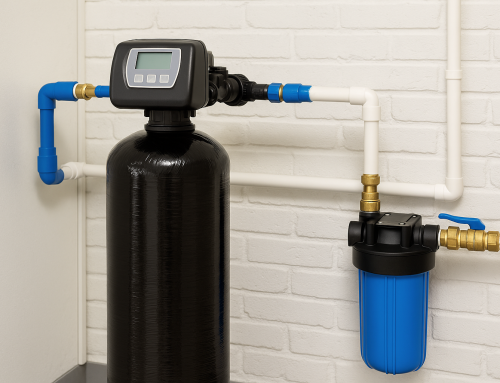
For low levels of H2S (typically under 0.5 ppm), granular activated carbon (GAC) filters at the point of entry or point of use can adsorb hydrogen sulfide and remove the odor. GAC works well for small, intermittent problems but requires regular media replacement and may become exhausted faster if iron, manganese, or other contaminants are present.
Aeration systems
Aeration oxidizes hydrogen sulfide by exposing water to air and venting off the gas. These systems are effective for moderate H2S concentrations and have the benefit of not adding chemicals. Aeration is often used as a whole-house solution and pairs well with filtration to remove any oxidized particulates.
Oxidizing filters (greensand, catalytic media)
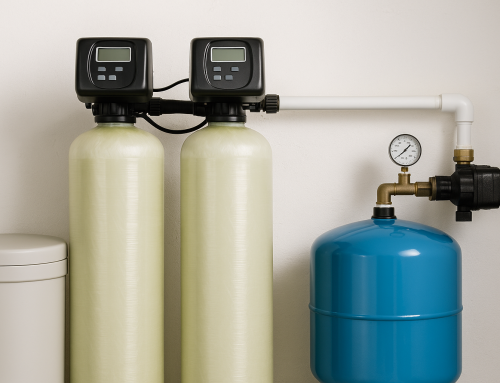
Oxidizing filters such as manganese greensand or catalytic carbon convert hydrogen sulfide into particulate sulfur, which is then filtered out and periodically backwashed or regenerated (often with potassium permanganate). These systems handle moderate-to-high H2S and can also address iron and manganese simultaneously.
Point-of-use fixes vs whole-house systems
If the smell is only present in hot water, the water heater may be the source; replacing the anode rod or flushing the heater can fix it. For whole-house odors, install treatment at the point of entry to protect plumbing, appliances, and fixtures.
Maintenance, costs, and choosing the right system
Ongoing maintenance
Different systems require different maintenance: GAC media replacement, backwashing for oxidizing filters, periodic regeneration for greensand, and inspection of aeration fans and tanks. Regular testing after installation ensures the system continues to perform.
Approximate costs and factors
Costs vary widely: simple point-of-use carbon filters are relatively inexpensive, while whole-house aeration or oxidizing systems cost more upfront but offer long-term performance. Factors affecting price include H2S concentration, flow rate needs, and whether iron or bacteria are also present.
When to call a pro
If testing shows moderate to high H2S, bacterial contamination, or if you’re unsure which system fits your well, consult a water treatment professional. Proper sizing, media selection, and installation directly impact how well the system removes sulfur and how long it lasts.
Conclusion
Removing sulfur from well water starts with accurate testing and diagnosing the source. From shock chlorination to aeration and oxidizing filters, effective options exist for every level of H2S. For a reliable assessment and tailored solution, reach out to Custom Filtration Systems to schedule an appointment—professional guidance will help you restore fresh-smelling, safe water throughout your home.