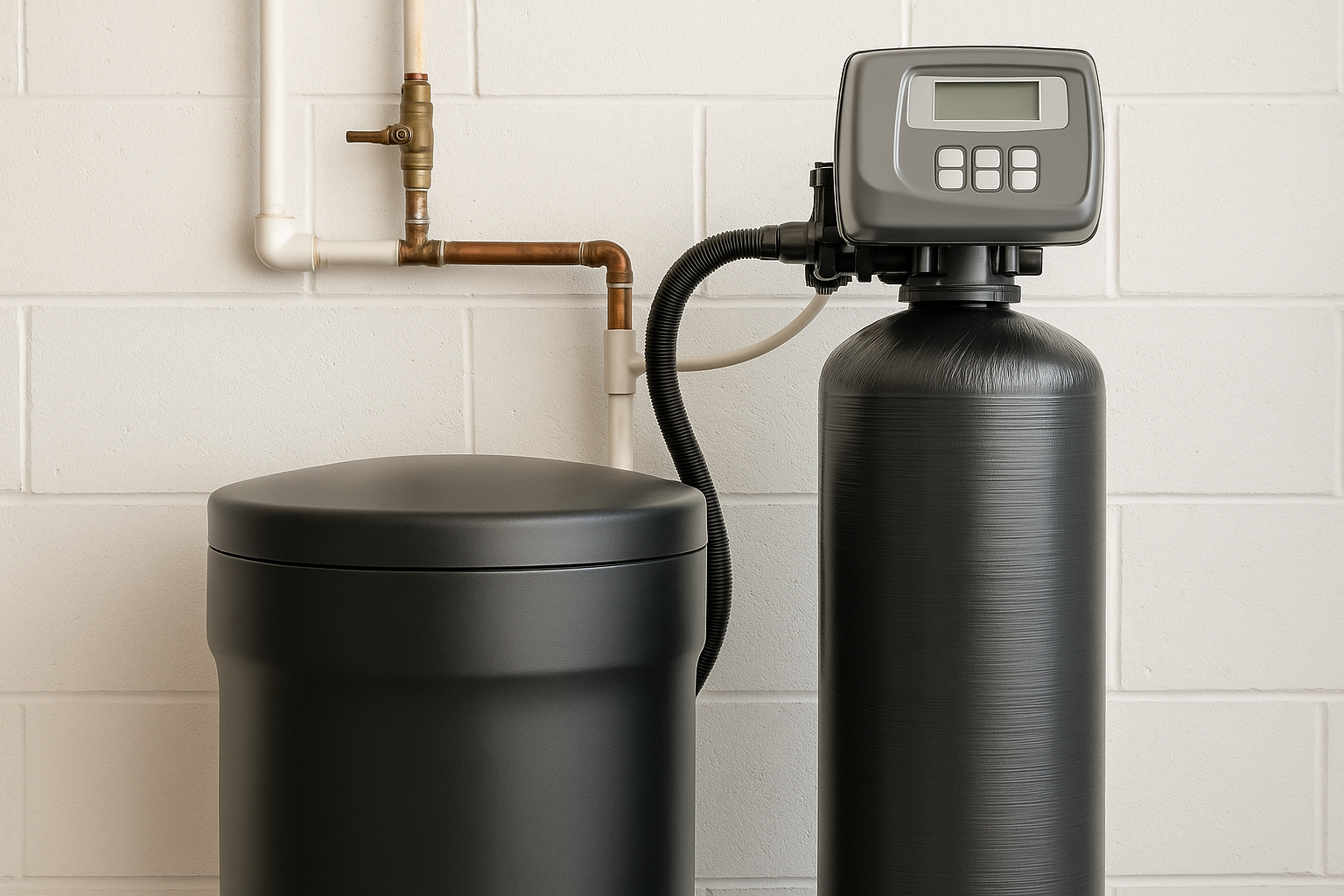
Understanding Your Water Softener
Water softeners remove hardness minerals—mainly calcium and magnesium—that cause scale buildup, spotty dishes, and dry skin. Regular maintenance keeps your system running efficiently, extends its life, and helps you avoid costly repairs. This guide walks through simple routines, seasonal and annual tasks, common issues, and when to call a professional.
Why Regular Maintenance Matters
Neglecting maintenance can reduce softening performance, increase salt usage, and encourage scale buildup in pipes and appliances. Routine care prevents these problems, saves money on energy and plumbing repairs, and ensures consistently soft water for your home.
Routine Maintenance Tasks (Monthly to Quarterly)
Most maintenance can be done yourself with a few simple checks every month or quarter.
1. Check Salt Level and Quality
Keep the brine tank at least one-quarter to one-half full of salt. Use high-purity salt (pellets or crystals recommended by your system manufacturer) to minimize bridging and sediment. Avoid rock salt unless specifically recommended.
2. Inspect for Salt Bridges and Salt Mushing
Salt bridging happens when salt forms a hard crust above the water, preventing the tank from drawing brine. Use a broom handle or stick to gently tap and break any crust. Salt mushing—when dissolved salt recrystallizes into a sludge at the bottom—requires removing and cleaning the tank.
3. Clean the Brine Tank
Every 6–12 months, inspect and, if necessary, clean the brine tank. Empty old salt and debris, rinse the tank, and refill with fresh salt. Follow your manufacturer’s instructions for best results.
4. Monitor Regeneration Settings
Check the control valve settings to ensure regeneration frequency and time match your household water usage and hardness level. Adjusting regeneration cycles can save salt and water while maintaining performance.
5. Inspect Valves, Hoses, and Drain Lines
Look for leaks, kinks, or clogs in hoses and drain lines. Ensure drain flow is uninterrupted during regeneration. Replace worn or cracked hoses promptly to avoid water damage.
Seasonal and Annual Maintenance
1. Test Water Hardness
Test your water annually (or if you notice changes) to verify the softener is removing the expected amount of hardness. Test kits are inexpensive and easy to use.
2. Clean or Replace Pre- and Post-Filters
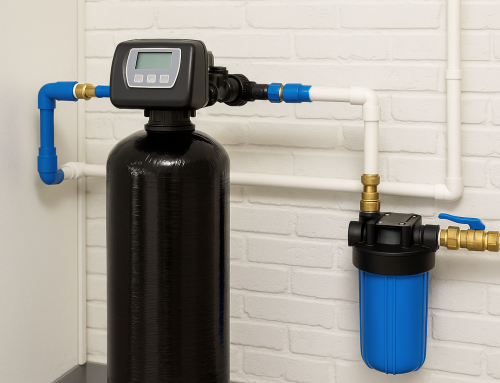
If your system includes sediment or carbon filters, follow the manufacturer’s replacement schedule. Clogged filters reduce flow and put extra strain on the softener.
3. Inspect Resin Bed Health
The resin bed does the actual softening. Over time it can foul with iron or organic matter. If your household has high iron or tannins, consider a resin cleaner during regeneration cycles. If performance declines despite cleaning, plan for resin replacement every 10–15 years depending on usage and water quality.
4. Professional Tune-Up
Consider an annual professional inspection to check electronics, timers, valve operation, and resin condition. A pro can diagnose subtle issues before they become major problems.
Troubleshooting Common Problems
1. Hard Water Suddenly Returns
Possible causes: salt bridge, empty brine tank, control valve malfunction, or exhausted resin. Start by checking the salt level and breaking any salt bridges.
2. Salty or Metallic Taste
If water tastes salty, the softener may be regenerating too often, or brine may be leaking into the resin tank. Check settings and ensure the brine tank is sealed correctly. If in doubt, call a technician.
3. Low Water Pressure
Low pressure can result from clogged filters, sediment in the resin, or valve problems. Inspect filters and hoses first, then schedule a professional if the issue persists.
4. Frequent Regeneration Cycles
Regenerating too often wastes salt and water. Check for control setting errors or leaks that cause the system to think it’s using more water than it is. Adjust settings to match household needs based on your hardness test.
When to Call a Professional
DIY maintenance covers most routine care, but contact a professional if you notice persistent issues, complex valve problems, electrical/control failures, or if you suspect resin replacement. Professionals can perform deep cleaning, precise diagnostics, and safe repairs that keep your system warranty intact.
Benefits of Professional Service
- Thorough diagnostics and accurate part replacement
- Proper resin cleaning or replacement
- Calibration of regeneration cycles for peak efficiency
- Peace of mind and extended system life
Tips to Extend Your Water Softener’s Life
- Use high-quality salt and avoid mixing salt types.
- Keep the brine tank clean and free of debris.
- Protect the system from freezing and extreme heat.
- Maintain pre-filters to reduce sediment and iron entering the system.
- Schedule periodic professional inspections.
Conclusion
Regular maintenance keeps your water softener running efficiently, saving you money and protecting your plumbing and appliances. With a few monthly checks, seasonal cleanings, and annual professional tune-ups, you’ll enjoy consistently soft water for years. If you’d like expert help—whether it’s an inspection, repair, or a tune-up—reach out to Custom Filtration Systems to schedule an appointment and keep your system in top shape.