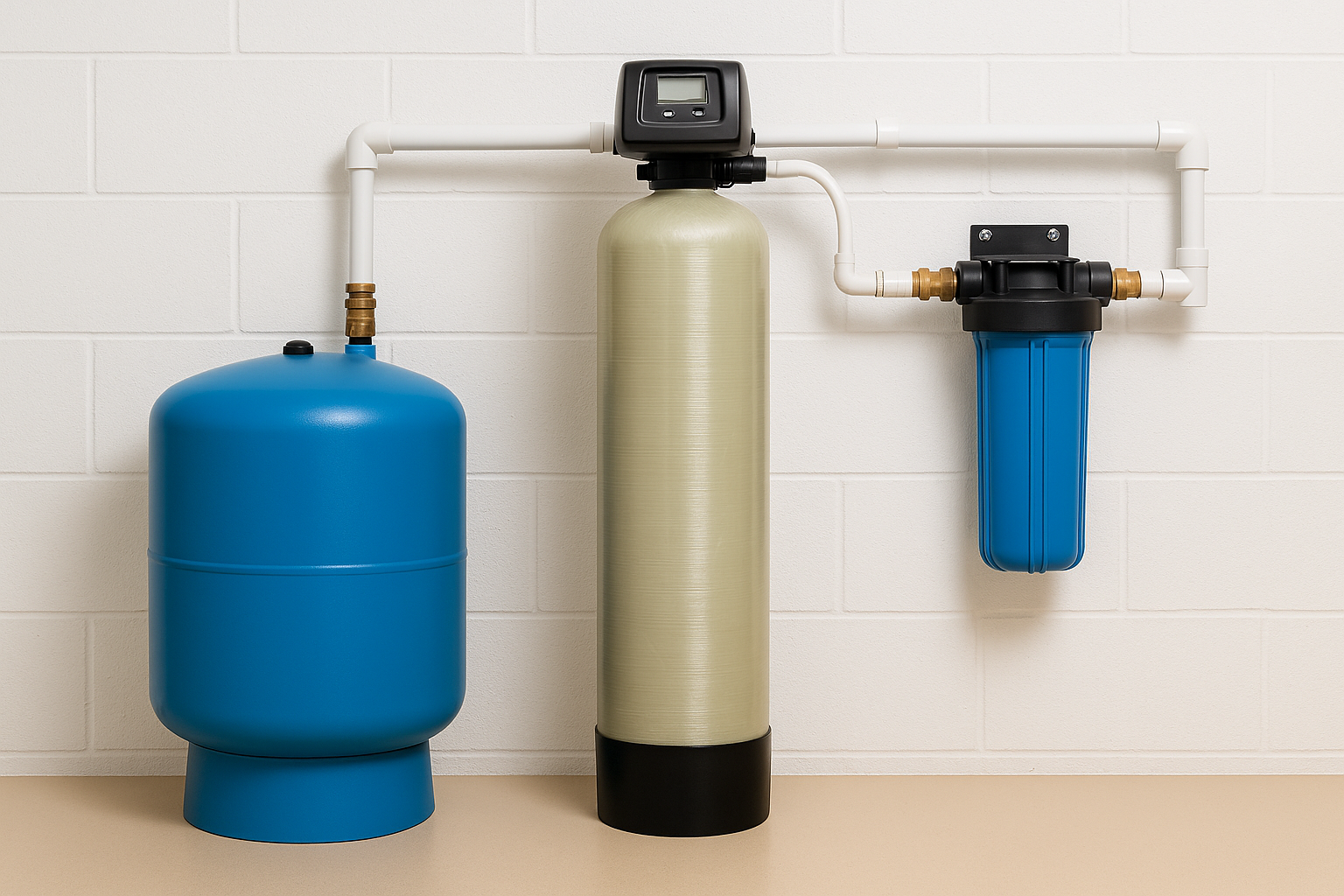
Why a Well Water Filtration System Matters
Well water can be a reliable source for your household, but it’s not automatically safe or taste-free. Unlike municipal water, well water doesn’t go through a central treatment process and can carry minerals, bacteria, iron, sediment, and other contaminants depending on your local geology and land use. Choosing the right filtration system protects your family’s health, improves taste and odor, and helps your plumbing and appliances last longer.
Assessing Your Well Water Quality
Common Contaminants to Look For
- Microbial contaminants: Bacteria, coliforms, and sometimes viruses can enter wells from septic systems, livestock, or surface runoff.
- Hardness minerals: Calcium and magnesium cause scale buildup, reduce soap effectiveness, and shorten appliance life.
- Iron and manganese: Cause rust-colored stains, metallic tastes, and clogged fixtures.
- Sediment and turbidity: Sand, silt, and clay can cloud water and damage equipment.
- Organic compounds and VOCs: Pesticides, herbicides, and fuel-related contaminants may be present in agricultural or industrial areas.
- Heavy metals: Lead, arsenic, and nitrates present more serious health risks where geology or runoff introduces them.
Testing Your Water
Start by getting a comprehensive water test from a certified lab. A basic test will measure coliform bacteria, nitrates, pH, hardness, iron, and total dissolved solids (TDS). If your land use suggests chemical risk, test for pesticides, VOCs, and heavy metals. Accurate results are the foundation of a smart system choice.
Types of Well Water Filtration Systems
There’s no one-size-fits-all filter. Systems are often combined to address multiple issues.
Sediment Filters
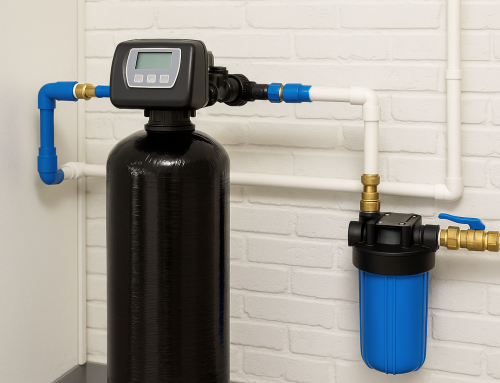
These protect downstream equipment by removing sand, silt, and rust particles. Commonly installed as the first stage in a multi-step system.
Activated Carbon Filters
Carbon removes chlorine (if present), volatile organic compounds, tastes, and odors. It’s useful for improving flavor and removing many organic contaminants.
Water Softeners
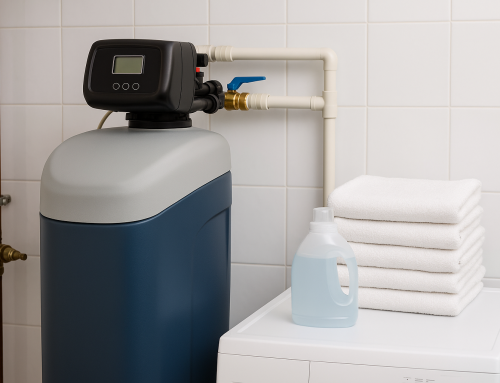
Using ion exchange, softeners reduce hardness minerals. They prevent scale, but they do add sodium to the water and are not designed to remove bacteria or many chemicals.
Reverse Osmosis (RO)
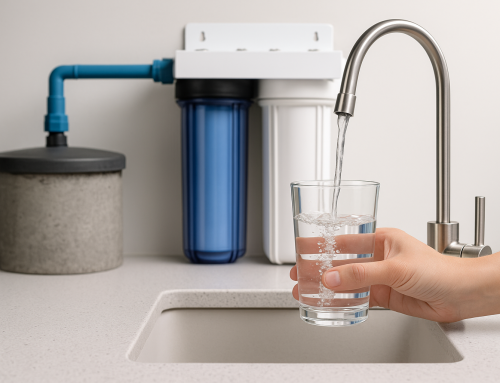
RO systems provide high-quality point-of-use water by removing dissolved solids, many heavy metals, and certain chemicals. Typically used for drinking and cooking at a specific faucet rather than whole-house treatment.
Ultraviolet (UV) Disinfection
UV systems effectively inactivate bacteria and viruses without chemicals. They’re best paired with sediment and carbon pre-filtration to ensure the UV light reaches the microbes.
Whole-House vs. Point-of-Use
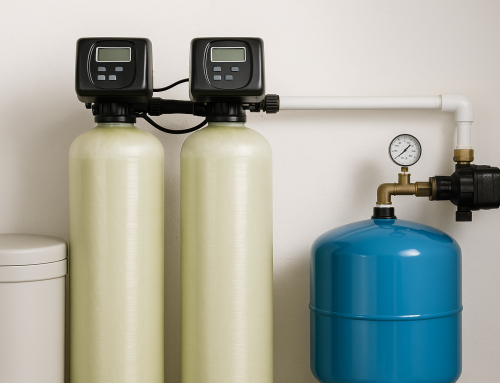
Whole-house systems treat all water entering your home, protecting appliances and ensuring consistent water quality for showers and laundry. Point-of-use systems (like RO under the sink) provide higher purity for drinking and cooking only. Often the best solution is a combination of both.
Choosing the Right System for Your Home
Match the System to Your Test Results
Let your lab results guide the solution. If bacteria are present, prioritize UV or chlorination paired with proper filtration. For heavy metals, consider RO or specialized media. Iron and manganese often require oxidizing filters or greensand systems.
Consider Flow Rate and Capacity
Select systems sized for your household demand. Whole-house systems are rated by flow (gallons per minute) and capacity (how much contaminant they can remove before media regeneration or replacement).
Maintenance and Operating Costs
Factor in annual costs for filter changes, media regeneration, salt for softeners, electricity for pumps and UV, and professional servicing. Lower upfront cost can mean higher long-term maintenance.
Installation, Certification, and Warranty
Choose systems certified by organizations like NSF/ANSI for claims such as contaminant reduction. Work with reputable installers to ensure proper setup and compliance with local codes, and review warranties and service plans.
Steps to Get Started
- Order a comprehensive water test from a certified lab.
- Review results with a water treatment professional who can recommend a system tailored to your needs.
- Compare whole-house and point-of-use options, factoring in flow rates, maintenance, and cost.
- Schedule professional installation and set up a regular maintenance plan.
If you’d like personalized guidance, reach out to Custom Filtration Systems to schedule an appointment. A qualified technician can review your test results, show you suitable system combinations, and provide an on-site estimate.
Conclusion
Choosing the right well water filtration system starts with accurate water testing and a clear understanding of contaminants and household needs. Whether you choose a whole-house setup, point-of-use RO, UV disinfection, or a multi-stage configuration, thoughtful selection and professional installation will protect your family and your home. Contact Custom Filtration Systems to book an appointment and get a tailored plan for clean, safe well water.