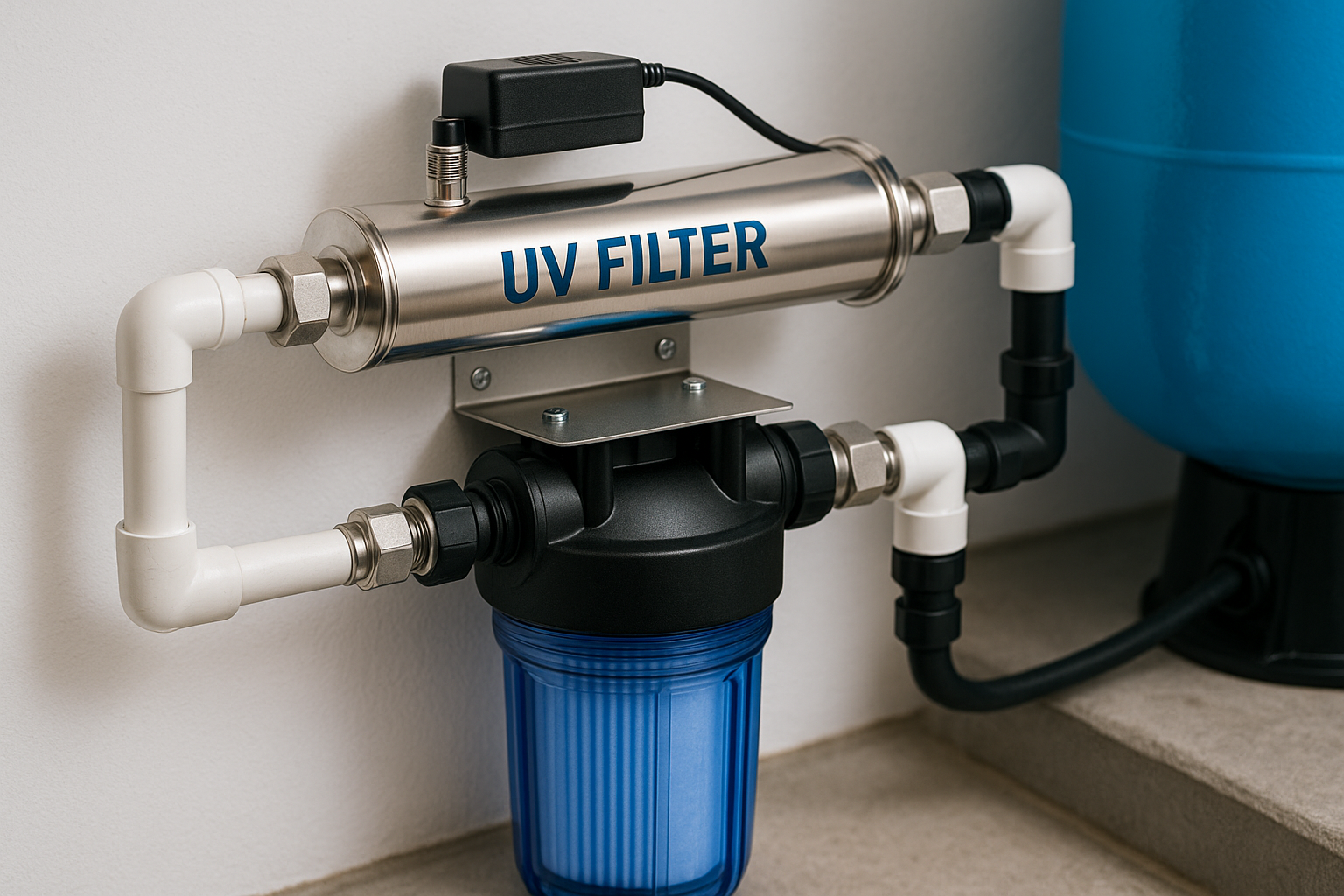
What Is UV Filtration?
Ultraviolet (UV) filtration is a chemical-free disinfection method that uses UV-C light to inactivate bacteria, viruses, and other microorganisms in water. Unlike chlorine or other disinfectants, UV does not add taste, odor, or byproducts to your water. For homeowners on well systems, UV filtration is often the most efficient way to protect drinking water from pathogens.
How UV Filtration Works
At its core, a UV system exposes water to a specific wavelength of ultraviolet light (typically around 254 nm). This light penetrates microorganisms’ cell walls and damages their DNA or RNA, preventing them from reproducing and rendering them harmless.
Key Concepts
- Dose (mJ/cm²): The product of UV intensity and exposure time. Different organisms require different doses to be inactivated.
- Contact Time: Slower flow rates increase exposure time and improve disinfection.
- Water Clarity: Suspended particles and turbidity can shield microorganisms from UV light, so pre-filtration is often required.
Why Well Water Often Needs UV
Well water is sourced from underground aquifers and can be impacted by surface runoff, septic systems, animal activity, or geological changes. Common contaminants include coliform bacteria, E. coli, Giardia, and viruses—microorganisms that UV is especially good at neutralizing. If your yearly water test shows bacterial contamination or if you have vulnerable household members (children, elderly, immunocompromised), UV provides a fast, effective barrier.
Components of a UV System
A residential UV system typically includes several components that work together to ensure effective disinfection:
Pre-filtration
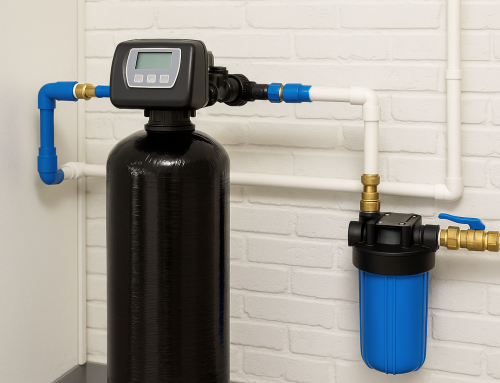
Because UV light cannot disinfect particles that block its path, a sediment filter and sometimes carbon filter are installed before the UV chamber. Pre-filtration improves UV performance and extends the life of the quartz sleeve and lamp.
UV Chamber and Lamp
The UV lamp sits inside a quartz sleeve within a stainless-steel chamber. The quartz keeps the lamp dry while allowing UV light to pass into the flowing water. Lamps are usually low-pressure mercury vapor bulbs designed for consistent UV-C output.
Ballast and Controls
The ballast powers the lamp and may include monitoring features that report lamp life, lamp failure, or system fault. Modern systems often have alarms and digital displays for easier maintenance.
Sizing and Installation Considerations
Choosing the right UV system depends on flow rate, water clarity, and desired safety margin. A system is typically sized by the household’s maximum flow rate (gallons per minute) and the required UV dose for target organisms. Professional installation ensures proper placement (usually at the point of entry for whole-house protection), adequate pre-filtration, and correct electrical connections.
Certification and Standards
Look for systems certified to NSF/ANSI standards for UV disinfection (such as NSF/ANSI 55). Certified systems have been independently tested for performance and safety.
Maintenance and Lifespan
UV systems are low maintenance but do require regular attention:
- Lamp Replacement: UV lamps typically need changing every 9–12 months because UV output declines even if the lamp still emits visible light.
- Quartz Sleeve Cleaning: Mineral deposits can form on the quartz sleeve and reduce UV transmission. Cleaning frequency depends on water hardness and quality.
- Pre-filter Changes: Replace sediment and carbon filters according to manufacturer recommendations—often every 3–12 months.
With proper maintenance, many systems last 10–15 years, though electronic components and housings may require service sooner.
Pros and Cons of UV for Well Water
- Pros: Chemical-free disinfection, effective against bacteria and viruses, fast treatment, minimal impact on taste and odor.
- Cons: No residual disinfectant in the distribution system, ineffective against certain chemicals or heavy metals, performance depends on water clarity and system maintenance.
When to Choose UV vs Other Treatments
Choose UV when your primary concern is microbial contamination. If your water also has iron, manganese, hardness, or chemical contamination, UV should be combined with other treatments (e.g., water softeners, iron filters, activated carbon). In some cases, chlorination or continuous disinfection may be recommended if you need a residual disinfectant in plumbing lines—your water test results will guide the decision.
Testing and Monitoring
Start with a comprehensive water test that includes total coliforms, E. coli, turbidity, hardness, iron, and common anions/cations. After installation, test periodically to ensure the system is performing and that no new sources of contamination have emerged. Many UV systems include indicator lights or alarms; take them seriously and address issues promptly.
Making the Decision and Next Steps
If your well water test shows bacterial contamination or if you want a high level of microbial protection without chemicals, UV filtration is an excellent option. Proper pre-filtration, correct sizing, and regular maintenance are essential to success.
To evaluate your well water and explore the best UV system for your home, reach out to Custom Filtration Systems for an appointment. A professional assessment will help you choose the right combination of filtration, sizing, and monitoring to keep your family safe.
Conclusion
UV filtration offers a reliable, chemical-free way to disinfect well water and protect against bacteria and viruses. When paired with appropriate pre-filtration and routine maintenance, it provides effective, low-impact protection for your household. Schedule an appointment with Custom Filtration Systems to get a tailored plan for your well water needs.