Introduction
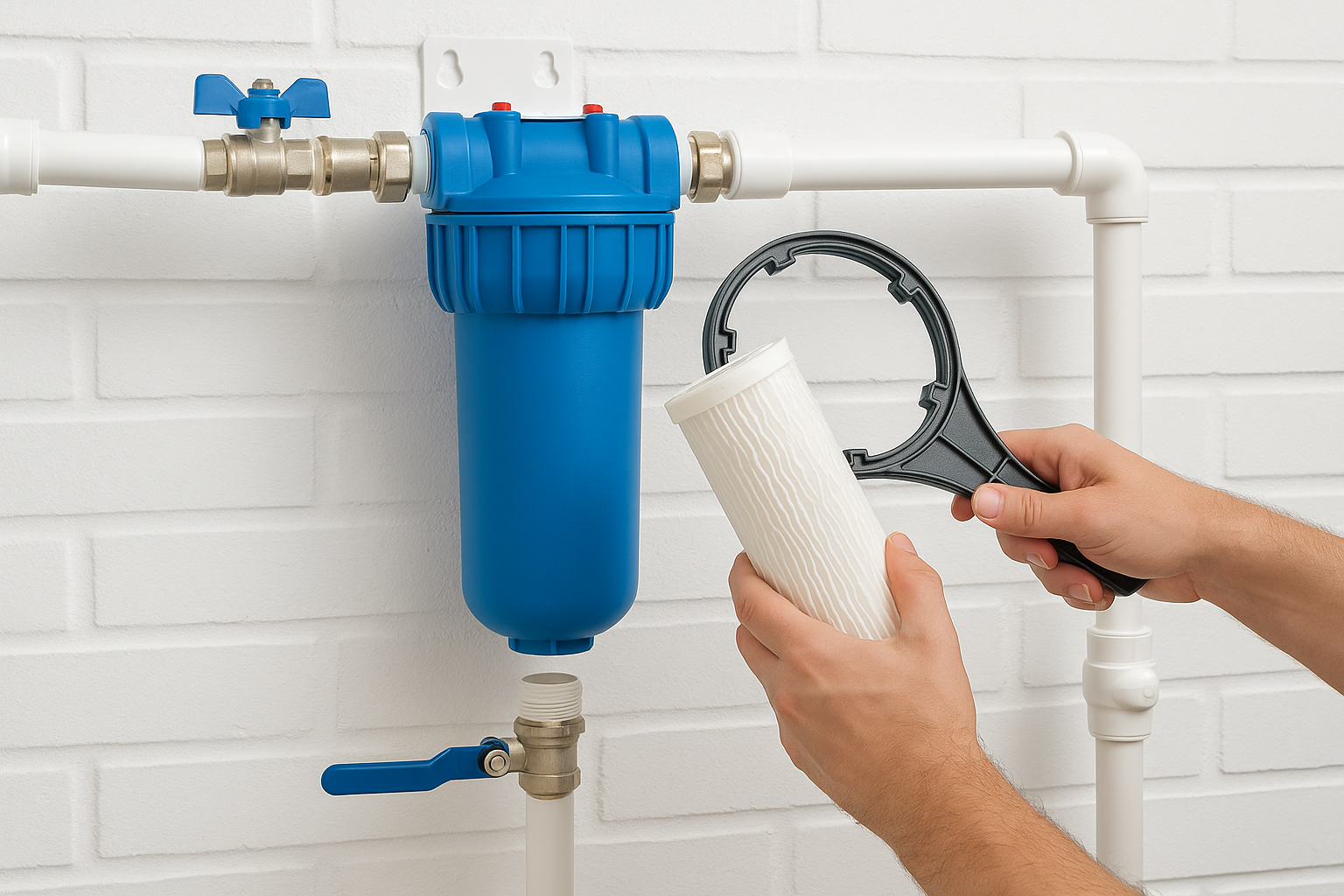
Installing a whole home water filter is a smart investment for cleaner water at every tap. But like any home system, it needs regular care to perform well. This guide walks you through essential maintenance tasks, troubleshooting tips, and when it’s time to call a professional. Whether you’re a hands-on homeowner or prefer to schedule service, these steps will help protect your system and your family’s water quality.
Why Regular Maintenance Matters
Protects health and water quality
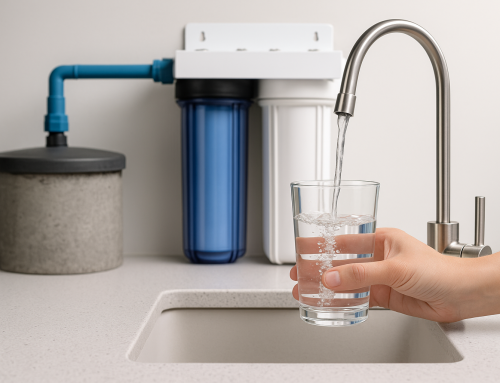
Filters remove sediment, chlorine, and other contaminants that affect taste, odor, and safety. A clogged or neglected filter can let impurities pass through or become a breeding ground for bacteria—so routine maintenance preserves both water quality and peace of mind.
Extends system life and saves money
Replacing parts before they fail prevents costly damage to the filtration unit, plumbing, and appliances. Keeping filters and components in good condition reduces the likelihood of emergency repairs and extends the life of your whole-home system.
Routine Maintenance Tasks
Follow the filter replacement schedule
- Check the manufacturer’s recommendation for each filter (sediment, carbon, specialty cartridges).
- Common intervals: sediment pre-filters every 3–6 months, carbon filters every 6–12 months, and specialized filters (e.g., UV bulbs, arsenic) per product guidance.
- Adjust frequency based on water usage and water quality—well water typically requires more frequent changes.
Clean sediment and pre-filters
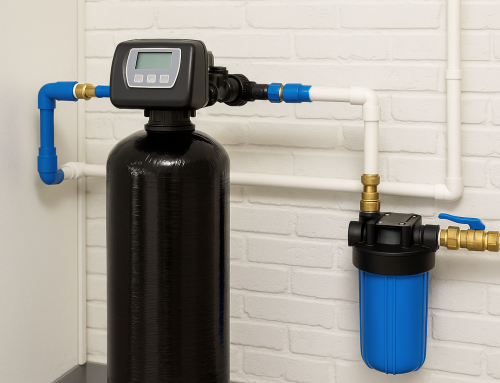
Many systems include a washable sediment pre-filter or a housing you can flush. Turn off the water, relieve pressure, and rinse or replace as needed. Doing this every few months prevents downstream clogging and maintains flow rate.
Sanitize the system periodically
Annually sanitize filter housings, tanks, and lines following manufacturer instructions or using a household bleach solution appropriate for potable water systems. Proper sanitization removes biofilm and prevents bacterial buildup.
Monitor pressure and inspect for leaks
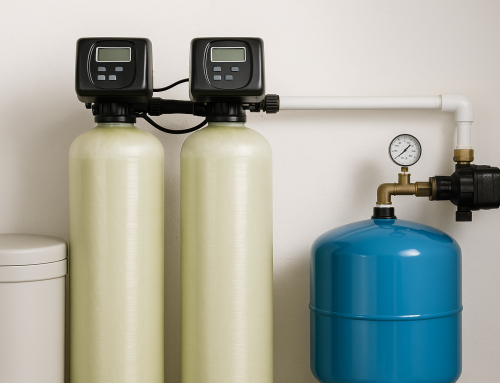
Keep an eye on system pressure gauges—significant drops often indicate clogged filters. Inspect fittings, housings, and bypass valves for drips or corrosion. Catching leaks early avoids water damage and inefficiency.
Care for additional components
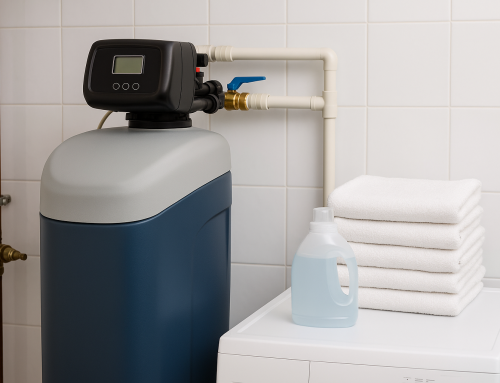
If your system includes a water softener, UV sterilizer, or reverse osmosis polishing stage, follow specific maintenance steps: recharge salt levels, replace UV bulbs annually, and change RO membranes per manufacturer timelines.
Troubleshooting Common Problems
Low water pressure
- Causes: clogged filters, blocked pre-filter, or restricted valves.
- Fix: Replace filters in sequence, check valves are fully open, and inspect for sediment buildup in housings.
Off taste or odor
- Causes: exhausted carbon filters, bacterial growth, or source water changes.
- Fix: Replace carbon cartridges, sanitize the system, and run cold water for a few minutes after service.
Leaking housings or fittings
- Causes: worn O-rings, loose fittings, or cracks in housings.
- Fix: Turn off water, relieve pressure, replace O-rings with food-grade lubricant, or replace damaged housings.
When to Call a Professional
Some tasks are fine for DIY, but trained technicians handle complex issues faster and more safely. Reach out to Custom Filtration Systems for an appointment if you notice any of the following:
- Persistent low pressure after filter changes
- Recurring taste, odor, or microbiological concerns
- Major leaks, cracked housings, or electrical problems with UV systems
- System expansion, upgrades, or whole-house plumbing modifications
Professional inspections can include water testing, system calibration, and preventive servicing tailored to your water chemistry and family needs.
DIY Maintenance Checklist & Practical Tips
Tools and supplies to keep on hand
- Replacement filters for each stage
- O-rings and silicone lubricant
- Wrench for filter housings, a bucket, and clean towels
- Sanitizing solution (bleach or manufacturer-approved cleaner)
- Pressure gauge and flashlight for inspections
Record-keeping and reminders
Keep a maintenance log with dates of replacements, part numbers, water test results, and service appointments. Set calendar reminders six months out and adjust based on observed conditions.
Safety precautions
Always turn off the main water supply and relieve system pressure before servicing. Wear gloves and eye protection when handling cleaning chemicals or used filters. If you’re unsure, call a pro—safety first.
Conclusion
Routine maintenance keeps your whole home water filter delivering clean, safe water while preventing costly repairs. With a simple schedule, basic tools, and occasional professional checkups, you’ll ensure reliable performance year-round. For professional inspections, repairs, or to schedule an appointment, reach out to Custom Filtration Systems—your water is worth it.