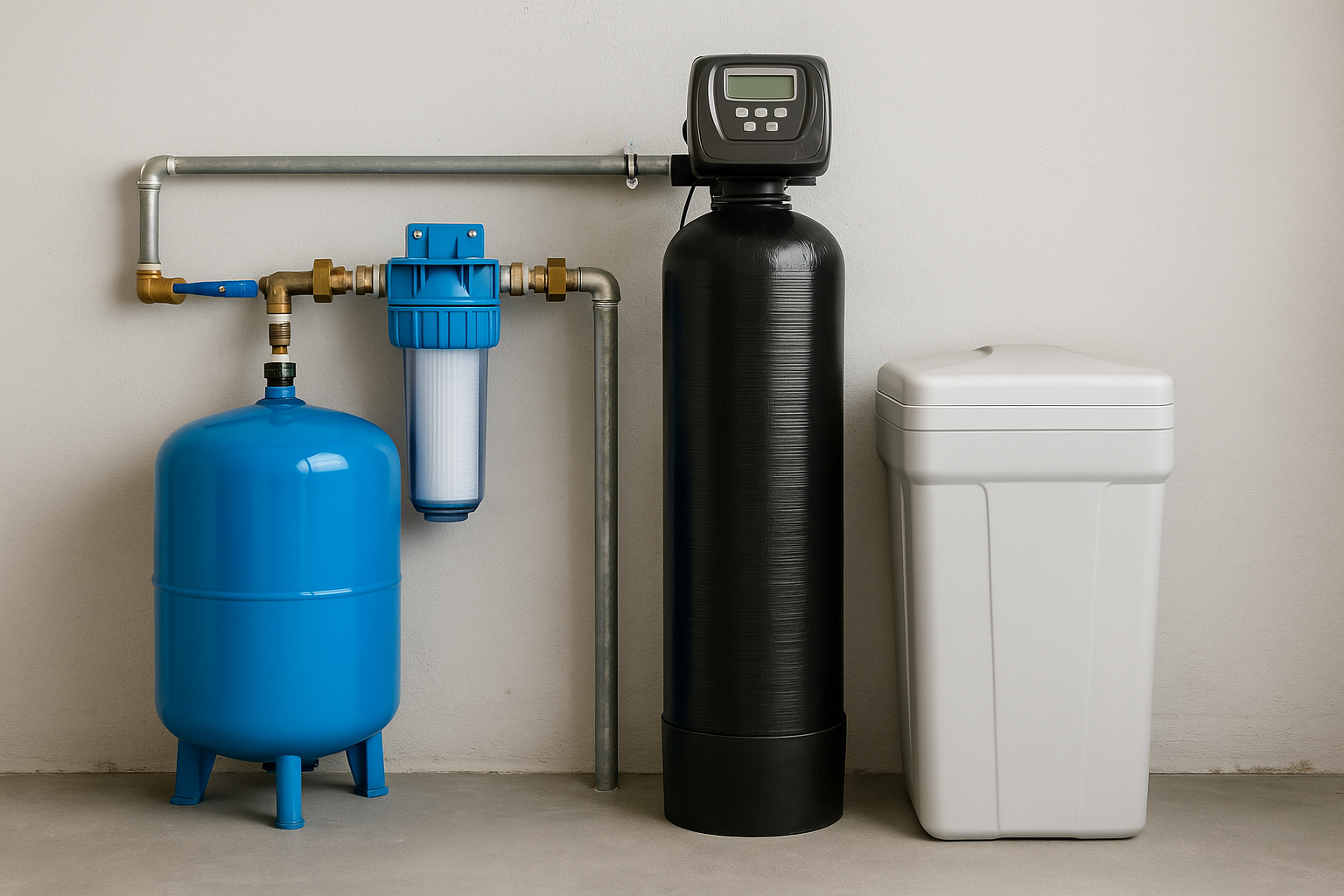
Understanding Hard Water in Well Systems
Hard water is common in many well systems and is primarily caused by high concentrations of calcium and magnesium dissolved from underground rock. While not typically a direct health risk, hard water can cause visible and costly problems in your home—from scale buildup on fixtures and appliances to reduced soap efficiency and dry skin.
How Hard Water Affects Well Water
Well water can pick up a mix of minerals and other contaminants as it travels through soil and rock. In addition to calcium and magnesium, private wells sometimes contain iron, manganese, sediment, and organic material that can interact with minerals and make hard water symptoms worse. This makes targeted treatment important rather than a one-size-fits-all approach.
Why Well Water Needs Specialized Filtration
Unlike municipal water, well water is untreated at the source and varies greatly from location to location. That variability means filtration systems must be tailored to your water’s specific composition and household needs.
Common Issues Caused by Hard Well Water
- Scale buildup in pipes, heaters, and appliances, shortening their lifespan.
- Soap scum and reduced lathering, which increases detergent usage.
- Stains on sinks, toilets, and laundry caused by iron or manganese.
- Dry skin and dull hair due to mineral residue.
Common Filtration Systems for Hard Well Water
Choosing the right system depends on what’s in your water. Below are the most common and effective options for treating hard well water.
Ion Exchange Water Softeners
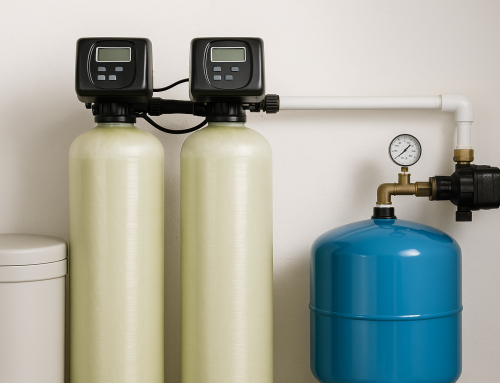
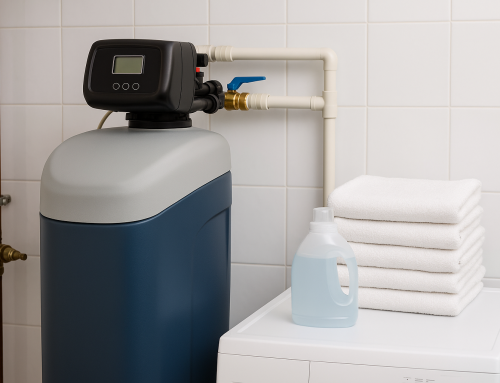
Ion exchange softeners are the most widely used solution for hard water. They swap calcium and magnesium for sodium or potassium on a resin bed, preventing scale buildup. Pros include effective softening and protection for appliances; cons include ongoing salt or potassium replenishment and periodic regeneration cycles.
Salt-Free Water Conditioners
Salt-free (template-assisted crystallization) systems don’t remove minerals but convert them into a form that’s less likely to form scale. They’re low-maintenance and preserve beneficial minerals but may not be as effective in very hard water or where water spots and soap scum are a major concern.
Reverse Osmosis (RO)
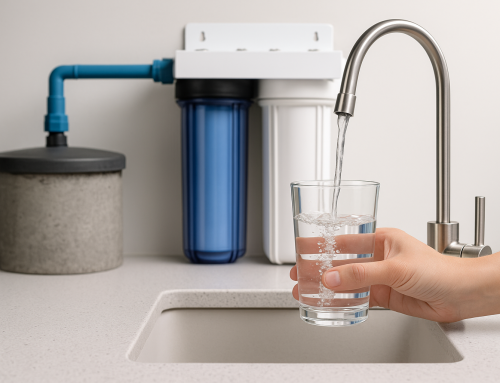
RO systems provide high-quality drinking water by removing a wide range of dissolved solids, including hardness minerals. They’re typically used at the point-of-use (kitchen sink) rather than whole-house because they produce wastewater and have lower flow rates. RO pairs well with a whole-house softener for the best overall result.
Iron and Sediment Filters
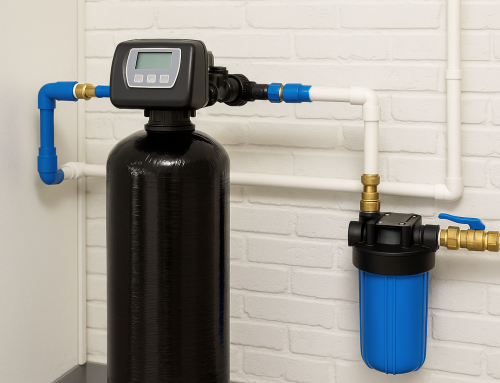
If your well water contains iron, manganese, or heavy sediment along with hardness, consider pre-filters or specialized oxidizing filters before softening equipment. Removing these materials extends the life and efficiency of downstream systems.
Choosing the Right System for Your Home
Start with a professional water test to identify hardness level (measured in grains per gallon or ppm), iron, manganese, pH, and any bacteria or nitrates. From there, consider:
- Water usage and household size: Determines required capacity and flow rate.
- Space and installation needs: Whole-house tanks need room near the main supply.
- Maintenance preferences: Do you want low-maintenance salt-free options or are you okay with periodic salt refills?
- Budget and long-term value: Factor in installation, consumables, and expected appliance savings.
Installation and Maintenance Tips
Proper installation and routine maintenance ensure performance and longevity.
- Have systems installed by a qualified technician familiar with well setups. Incorrect installation can create pressure issues or allow contaminants to bypass treatment.
- Keep up with maintenance: replace RO membranes and pre-filters per manufacturer guidelines, refill salt or potassium for ion-exchange systems, and clean any sediment traps.
- Test your well annually or after events (like flooding) that might alter water quality.
Cost Considerations and Long-Term Value
Upfront costs vary: basic water softeners are typically less expensive than whole-house RO systems with iron removal and sediment filtration. Factor in long-term savings from reduced appliance repairs, lower detergent use, and better plumbing efficiency. Consider warranties and local service availability when evaluating value.
Common Myths About Hard Water Treatment
There are a few misconceptions worth clearing up:
- Myth: Soft water is unhealthy. Fact: Softening exchanges minerals for sodium or potassium, but the health impact is minimal for most people; alternatives like potassium chloride or RO for drinking water can address concerns.
- Myth: Salt-free systems remove minerals. Fact: They condition minerals to reduce scaling but don’t eliminate hardness.
- Myth: One system fixes everything. Fact: Well water often needs a tailored combination—e.g., sediment filter + softener + RO for drinking water.
Conclusion
Treating hard well water pays off with longer appliance life, cleaner laundry, and more comfortable skin and hair. The right solution depends on your water’s unique profile and household needs. For an expert water test, system recommendation, and professional installation, reach out to Custom Filtration Systems to schedule an appointment and get a tailored plan for your home.