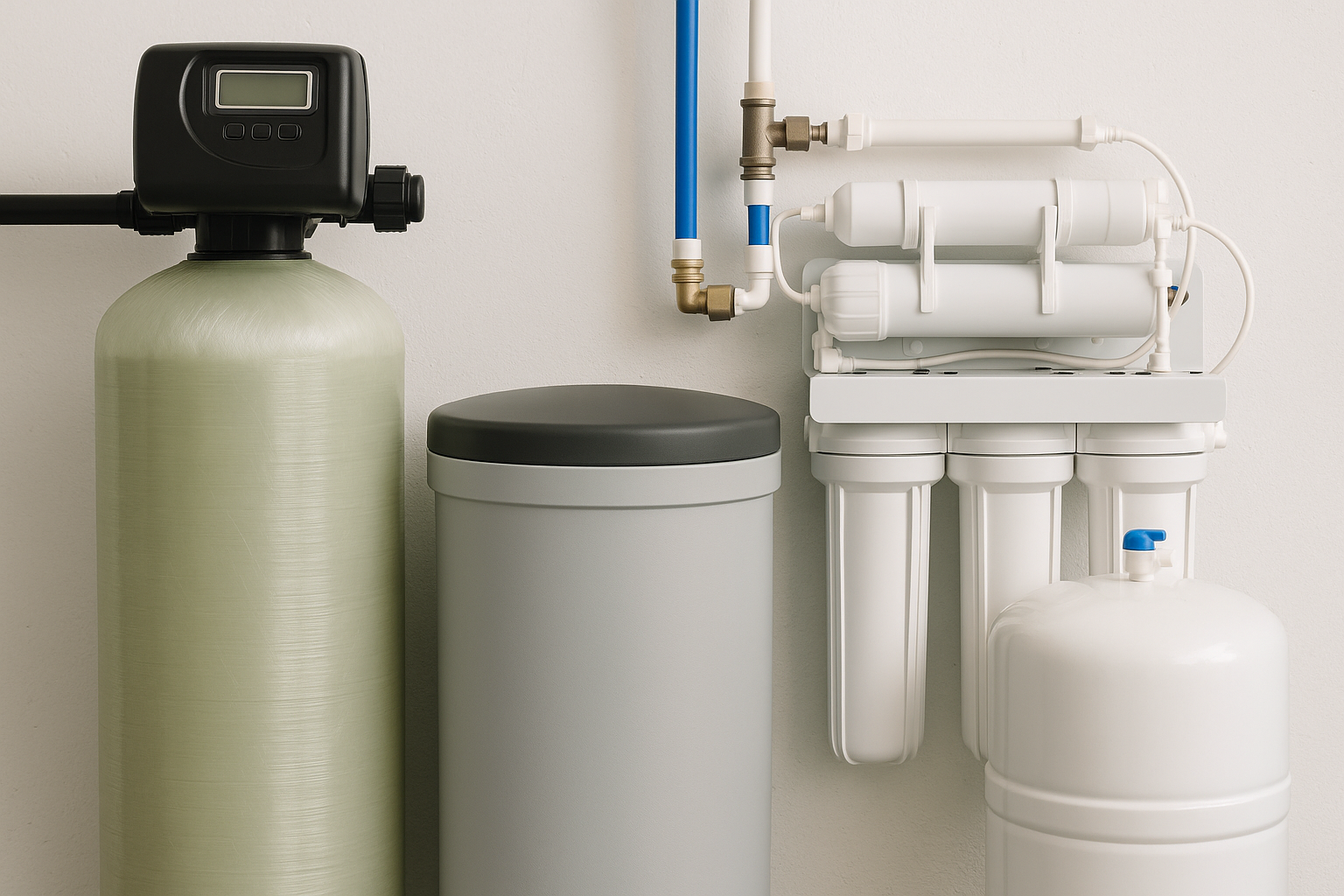
Introduction
Combining a water softener system with reverse osmosis (RO) delivers two powerful layers of protection: softened water to prevent scale and an RO system to remove dissolved contaminants and improve taste. Whether you’re dealing with hard water stains, unpleasant taste, or concerns about dissolved minerals and contaminants, pairing these systems can dramatically improve household water quality.
How a Water Softener System Works
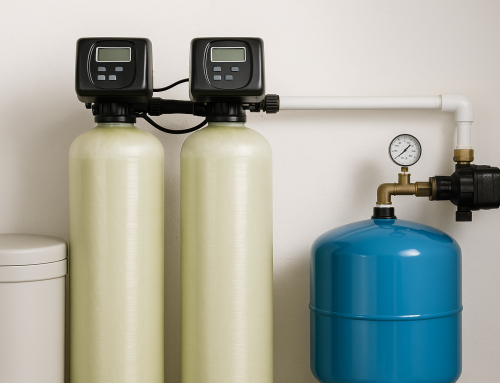
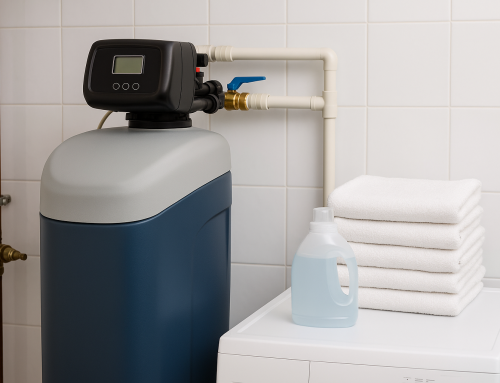
Water softeners use ion exchange to remove calcium and magnesium—the minerals that cause hard water. A typical salt-based softener exchanges hardness ions for sodium or potassium ions, protecting pipes, fixtures, and appliances from scale buildup.
Key benefits of water softening
- Extends the lifespan of water heaters, dishwashers, and washing machines
- Reduces scale buildup on plumbing and fixtures
- Makes soaps and detergents more effective, saving money and improving cleaning
- Leaves hair and skin feeling softer and cleaner
What Reverse Osmosis Does
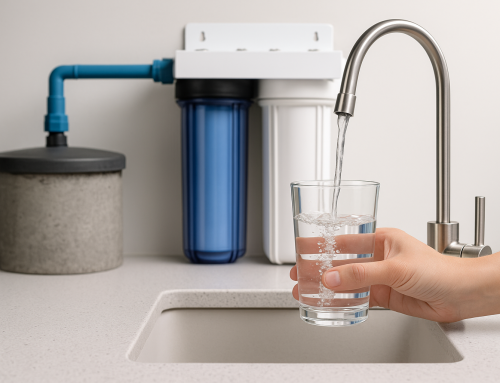
Reverse osmosis is a point-of-use filtration technology that uses a semi-permeable membrane to remove dissolved solids, including lead, arsenic, nitrates, many salts, and a wide range of organic compounds. RO systems are typically installed at the kitchen sink to provide drinking and cooking water.
Contaminants and improvements from RO
- Removes up to 99% of many dissolved contaminants, depending on the membrane and pre/post-filters
- Improves taste and odor by reducing chlorine and organic matter
- Produces clear, mineral-reduced water ideal for drinking, cooking, and ice
Why Combine a Water Softener with Reverse Osmosis?
Using a water softener ahead of an RO system is a best practice in many homes with hard water. Softened water prevents scale buildup on the RO membrane and pre-filters, which helps maintain RO performance and extends component life.
How they work together
- Pre-treatment: The water softener removes hardness minerals that would otherwise foul the RO membrane.
- Filtration: Pre-filters (sediment and carbon) remove particulates and chlorine before the RO membrane, improving water taste and protecting membrane integrity.
- Final polish: The RO membrane and a post-filter deliver high-purity water at the tap.
Installation Order and Considerations
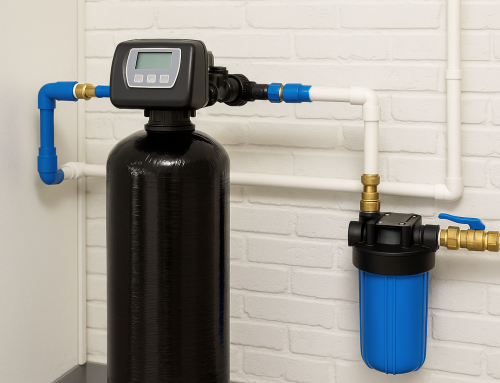
When installing both systems, the typical order is: sediment filter → water softener → carbon filter → RO membrane. This sequence ensures the RO membrane sees water low in hardness, particulates, and chlorine.
Other considerations include:
- Space and layout: Softener tanks are usually installed at the main water entry; RO units fit under a sink or in a utility area.
- Water pressure: RO systems require adequate inlet pressure; a booster pump may be necessary in low-pressure homes.
- Waste water: RO systems produce a brine or reject stream—plan for drain access.
Maintenance and Ongoing Costs
Keeping both systems running efficiently means scheduled maintenance. Regular tasks and costs include:
- Salt or potassium for the softener (typically monthly/bi-monthly refills, depending on usage)
- Resin replacement in softeners every 10–15 years depending on water quality and usage
- Pre-filter changes (sediment and carbon) for the RO every 6–12 months
- RO membrane replacement every 2–5 years, depending on feed water and maintenance
- Periodic sanitizing and inspections by a qualified technician
While there are upfront and ongoing costs, the benefits—reduced appliance repairs, better-tasting water, and improved health protection—often justify the investment.
Choosing the Right System for Your Home
Start with a water test. Knowing your water’s hardness level, total dissolved solids (TDS), and specific contaminants will guide system sizing and configuration. Consider household size, water usage, and budget when selecting tank capacity, softener regeneration settings, and RO capacity.
Professional vs. DIY
Some homeowners handle basic installations, but combining a whole-house softener with an RO system benefits from professional design and installation to ensure correct flow, pressure, and longevity. A pro can also recommend corrosion-resistant fittings, suitable drain lines for RO reject water, and optimal placement.
Health and Safety Notes
Softening replaces hardness minerals with sodium or potassium. If you have strict sodium dietary concerns, consider potassium chloride or an RO system for drinking water to reduce sodium in your glass. RO systems remove many contaminants but do not target bacteria unless paired with UV or other disinfection stages—if microbial contamination is a concern, ask about additional treatment options.
Conclusion
Pairing a water softener system with reverse osmosis gives you the best of both worlds: scale-free plumbing and high-quality drinking water. For tailored recommendations, system sizing, and professional installation, reach out to Custom Filtration Systems to schedule an appointment. Their team can test your water, explain options, and help you choose the right configuration for lasting results.