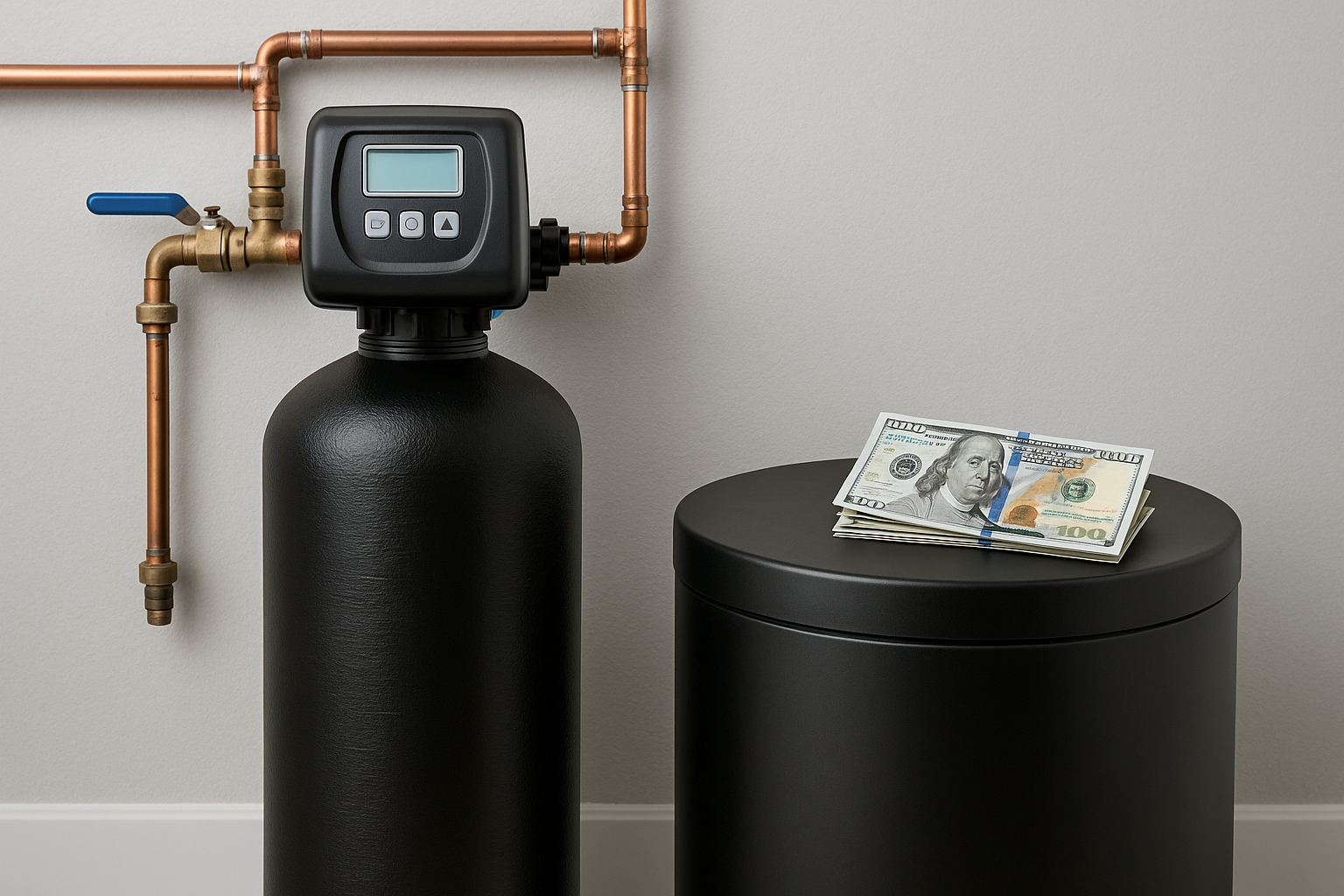
Understanding Water Softener Systems and Why Cost Matters
Installing a water softener can protect plumbing, extend appliance life, and improve laundry and skin feel. But before you commit, it helps to understand the full scope of the cost of a water softener system—not just the sticker price. This guide breaks down typical price ranges, the factors that influence cost, ongoing expenses, and tips for choosing the right system for your home.
Typical Price Ranges by System Type
Water softeners vary widely in technology and price. Below are common types and their general cost ranges for purchase (not including installation):
Salt-Based Ion Exchange
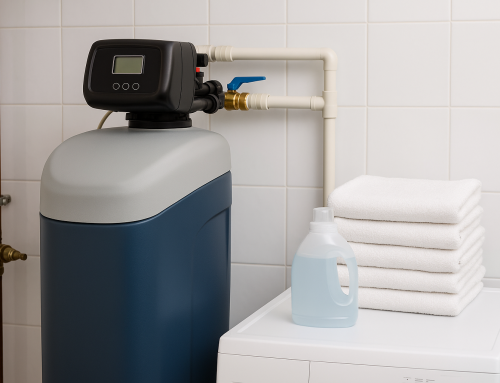
These are the industry standard for reducing hardness. Expect to pay roughly $800 to $3,000 depending on capacity and features. Higher-capacity or branded units fall toward the top of that range.
Salt-Free (Template-Assisted Crystallization)
Salt-free systems are marketed as low-maintenance alternatives. Typical costs are $600 to $2,500. They don’t remove hardness minerals but condition water to reduce scaling.
Dual-Tank Systems
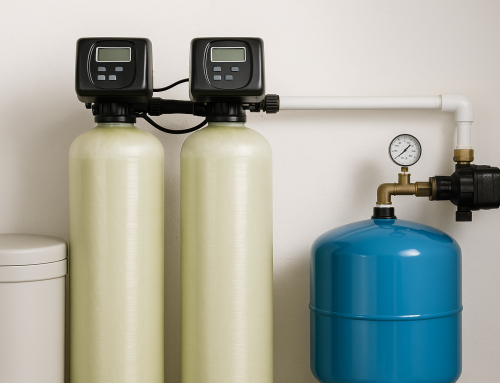
Dual-tank or continuous regeneration systems are ideal for large households with high water usage. These units commonly range from $1,500 to $4,000+.
Magnetic or Electronic Descalers
These are compact and inexpensive (often $100 to $600) but their effectiveness is debated. They do not remove minerals; they aim to reduce scale formation electrically or magnetically.
Key Factors That Influence the Cost
Several variables affect the final price you’ll pay:
Water Hardness Level
Severe hard water requires larger or higher-capacity systems, which cost more. A water test will determine how many grains per gallon (GPG) you’re dealing with and guide sizing.
Household Size and Flow Rate
Larger families need systems rated for higher daily water usage. Systems are sized by grain capacity and flow rate—higher ratings increase cost.
Installation Complexity
Simple replacements are cheaper than first-time installs, which may require new plumbing fittings, bypass valves, drain connections, or space modifications. Labor can range from $200 to $1,000+.
Brand, Warranty, and Features
Smart controls, touchscreen displays, and longer warranties add to the price. Reputable brands often cost more but provide better long-term support and reliability.
Local Market and Permitting
Labor rates vary by region. Some municipalities require permits for water treatment plumbing, adding to upfront costs.
Installation and Ongoing Expenses to Budget For
Remember that the initial equipment cost is only part of the story. Plan for ongoing expenses:
- Salt and Regeneration Supplies: For salt-based systems, plan on about $5–$20/month depending on usage and system efficiency.
- Resin Replacement: Resin beds may need replacement every 10–15 years; expect $200–$800.
- Maintenance and Service: Annual checkups, minor repairs, or part replacements commonly cost $75–$250/year.
- Water and Energy Use: Regeneration cycles use water and modest electricity, which will affect utility bills slightly.
Ways to Save Without Sacrificing Quality
There are smart ways to control costs while getting a reliable system:
- Get a professional water test before buying—right-sizing the system avoids overspending.
- Compare quotes from reputable dealers and ask about bundled installation discounts.
- Consider a warranty and maintenance plan to avoid surprise costs later.
- Look for high-efficiency models that reduce salt and water use over time.
Is a Water Softener Worth the Investment?
For many households with moderate to severe hard water, the answer is yes. Soft water reduces limescale buildup, improves appliance efficiency, lowers detergent use, and makes hair and skin feel better. To determine payback, compare upfront and ongoing costs with expected savings on appliance replacement, energy use, and cleaning products.
Choosing the Right System and Next Steps
Start with a professional water test to quantify hardness and other contaminants. Then decide whether you prefer a salt-based system for proven softening or a salt-free option for low maintenance. If you’re unsure which route to take, schedule an appointment with Custom Filtration Systems. Their experts can assess your water, recommend systems that match your household needs, and provide a detailed quote—including installation and maintenance projections.
Conclusion
Understanding the cost of a water softener system means looking beyond the purchase price to installation, supplies, and long-term upkeep. With the right information and a professional assessment, you can choose a solution that fits your budget and protects your home. Reach out to Custom Filtration Systems today to set up an appointment and get a personalized estimate.