Introduction: Why Well Water Needs Special Attention
Well water is a valuable resource, but it comes with unique challenges. Unlike municipal water, well water quality depends on local geology, groundwater movement, and nearby land use. If you rely on a private well, installing a reverse osmosis (RO) system can be one of the most effective ways to improve taste, remove contaminants, and protect your household. This guide explains how RO works for well water, what it removes, and how to choose and maintain the right system.
How Reverse Osmosis Works
Basic Principles
Reverse osmosis forces water through a semi-permeable membrane under pressure, leaving dissolved solids and many contaminants behind. The membrane’s microscopic pores allow water molecules to pass while rejecting salts, metals, and larger organic compounds.
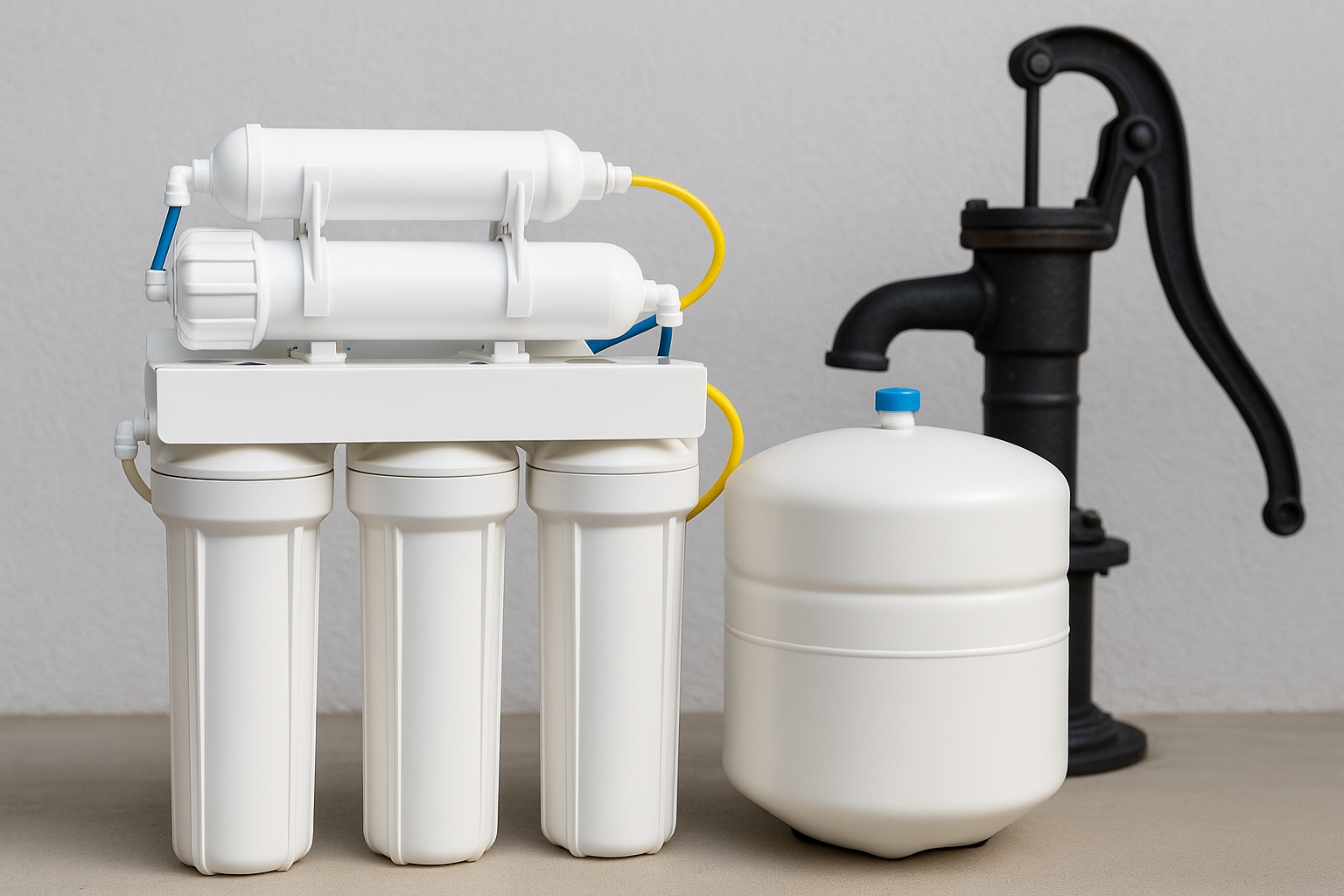
System Components
- Pre-filters: Sediment and carbon filters remove particulates and chlorine (if present) to protect the RO membrane.
- RO membrane: The core component that separates contaminants from water.
- Storage tank: Holds filtered water so you have supply on demand.
- Post-filter: Polishes taste before the faucet.
- Faucet and drain: Deliver purified water and dispose of concentrate (waste) water.
Why Choose RO for Well Water?
Contaminants Reverse Osmosis Can Remove
RO systems are highly effective against a wide range of common well water issues:
- Hardness minerals (to some extent when combined with pretreatment)
- Lead, arsenic, nitrates, and fluoride
- Iron and manganese (with appropriate pretreatment)
- Bacterial contaminants (when paired with proper disinfection)
- Pesticides, volatile organic compounds (VOCs), and many dissolved solids
Note: Not all RO systems handle every contaminant equally. Pre-treatment and additional stages can be necessary for specific pollutants.
Benefits and Limitations of RO for Well Water
Benefits
- Exceptional reduction of dissolved contaminants and improved taste and odor
- Cost-effective for point-of-use systems (kitchen, drinking water)
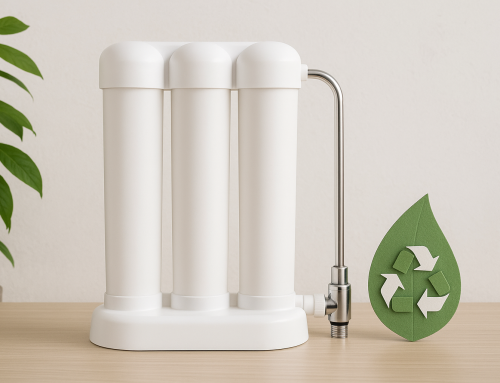
- Relatively compact and easy to install under a sink or near a water source
Limitations
- Produces wastewater (concentrate); efficiency varies by model
- May require pretreatment for iron, high hardness, or heavy sediment
- Point-of-use RO doesn’t protect all household water (showers, washing machines)
- Requires regular maintenance and filter/membrane replacement
Choosing the Right RO System for Your Well
Test Your Water First
Start with a comprehensive water test that measures pH, hardness, iron, manganese, nitrates, arsenic, coliform bacteria, and total dissolved solids (TDS). A professional test provides the data needed to design the right RO system and any necessary pretreatment.
Pretreatment Matters
Well water often needs pretreatment to protect the RO membrane and improve system performance. Common pretreatment options include:
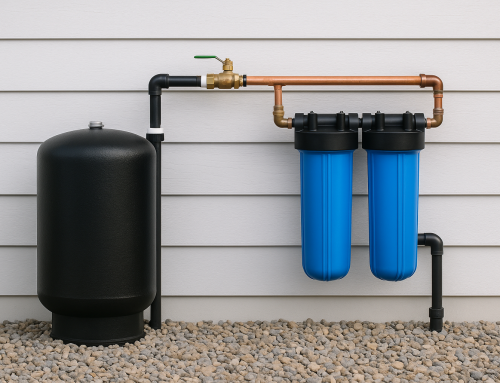
- Sediment filters to remove sand and silt
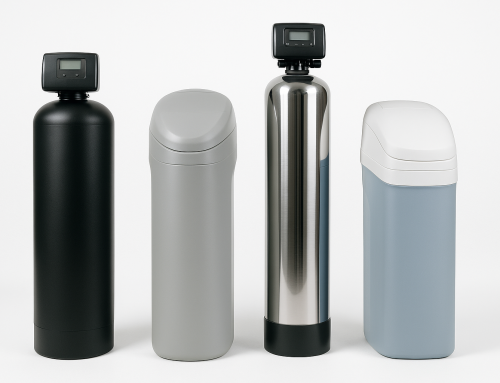
- Water softeners or anti-scaling devices if hardness is high
- Iron filters or oxidizing filters when iron and manganese are present
- UV disinfection or chlorination for bacterial contamination
Certifications and Capacity
Look for systems or components certified by organizations such as NSF/ANSI. Also choose an RO system sized for your household needs—point-of-use systems for drinking water, or whole-house solutions combined with RO-treated points where necessary.
Installation, Maintenance, and Cost Considerations
Installation Tips
- Under-sink RO systems are common and relatively straightforward for a skilled installer.
- Whole-home RO setups are more complex and usually require a professional.
- Consider water pressure—RO systems need adequate pressure or a booster pump.
Maintenance Checklist
- Replace sediment and carbon pre-filters every 6–12 months
- Replace the RO membrane every 2–5 years depending on feed water quality
- Sanitize the system and replace post-filters annually
- Monitor TDS and water taste to detect when maintenance is due
Cost Breakdown
Initial cost varies by system type and complexity: basic under-sink RO systems are affordable, while whole-house or high-capacity systems are more expensive. Factor in ongoing costs for filter replacements and potential pretreatment equipment.
Practical Tips for Well Owners
Keep a sampling schedule for water tests, especially after heavy rains, nearby construction, or changes in taste or smell. Maintain any pretreatment equipment to protect the RO membrane and extend its life. Finally, consult with a filtration professional to match the system to your well’s specific profile.
Conclusion
Reverse osmosis is a powerful solution for improving well water quality when paired with the right pretreatment and maintenance. It removes a broad range of contaminants and delivers great-tasting, safer drinking water. If you’re considering an RO system for your well, reach out to Custom Filtration Systems for an appointment—our team can test your water, recommend pretreatment, and install a system tailored to your needs.