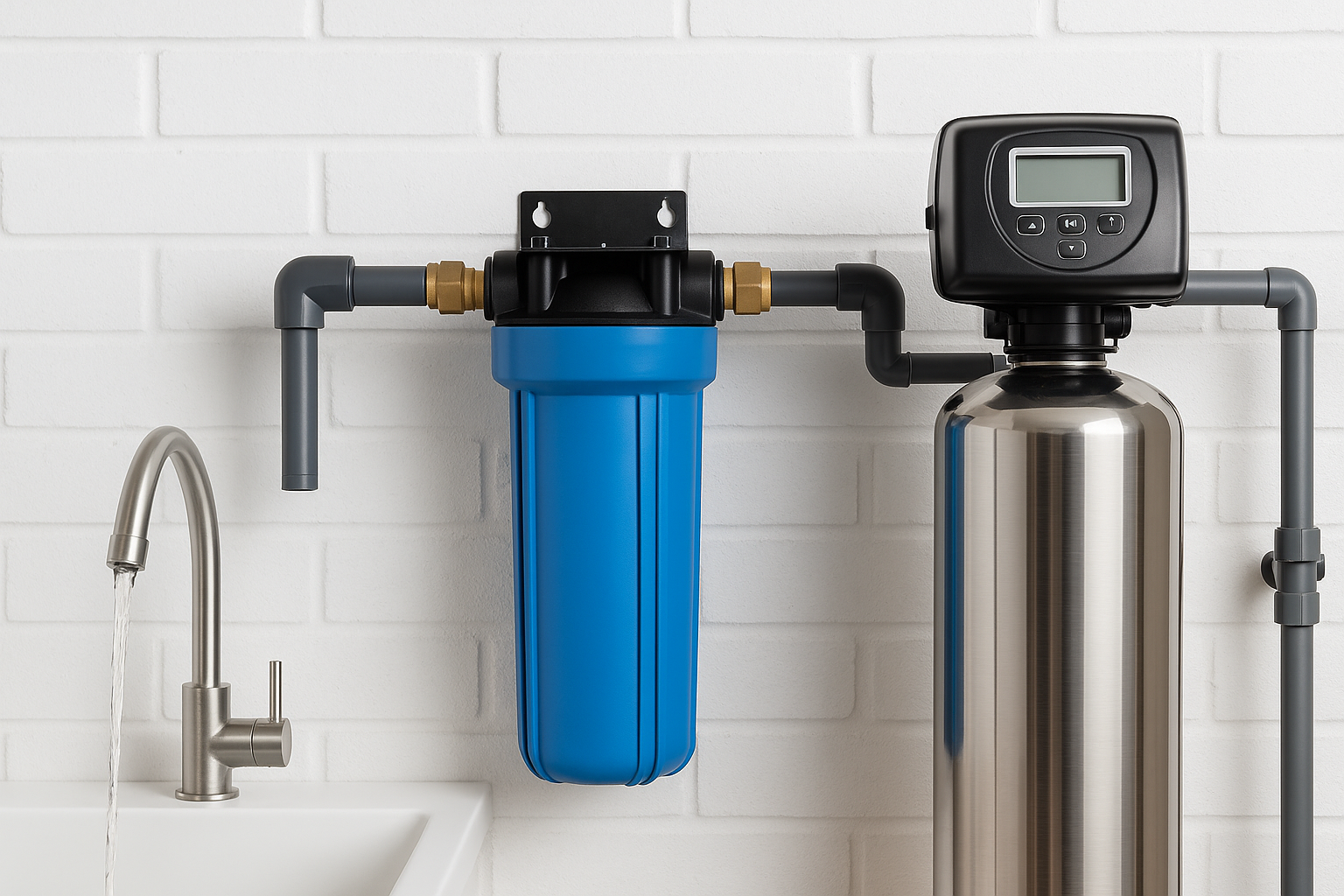
What Is Whole Home Water Filtration?
Whole home water filtration, also called a whole-house water filter, treats the water supply at the point it enters your home so every tap, shower, and appliance receives cleaner water. Unlike point-of-use filters that treat a single faucet, whole home systems protect your plumbing, improve water taste and smell, and reduce contaminants across the entire household.
Why Consider a Whole Home System?
Choosing whole home water filtration means better water quality everywhere — bathing, cooking, laundry, and for pets. Benefits include:
- Reduced chlorine taste and odor
- Fewer sediments that clog pipes and damage appliances
- Softer-feeling skin and cleaner, brighter laundry when paired with a softener
- Protection from a variety of contaminants depending on the system
- Long-term savings by extending the life of water-using appliances
How Whole Home Water Filtration Works
Point of Entry
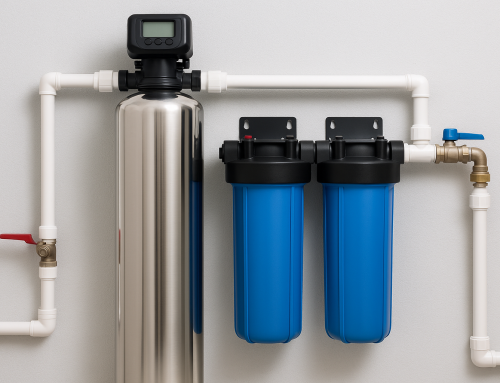
Whole home systems are installed at the main water line where water enters your home. This ensures every fixture receives filtered water.
Filtration Stages
Many systems use multiple stages to address different issues:
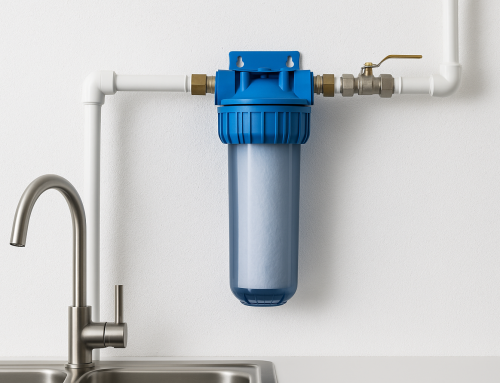
- Pre-filtration: Sediment filters remove sand, silt, and larger particles.
- Activated carbon: Removes chlorine, volatile organic compounds (VOCs), and improves taste and odor.
- Specialty media: KDF, catalytic carbon, or other media treat heavy metals, chloramines, and hydrogen sulfide.
- Post-filtration polishing: Final stage to remove any remaining particulates and improve water clarity.
Note: Reverse osmosis is typically used for point-of-use treatment (kitchen sink) because it produces a low flow rate and wastes some water. However, combining whole home filtration with targeted RO at a faucet gives comprehensive coverage.
Types of Whole Home Systems
- Standard sediment and carbon systems: Best for municipal water supplies concerned about chlorine and particulates.
- Media-based systems: Useful for removing specific contaminants like iron, manganese, or hydrogen sulfide.
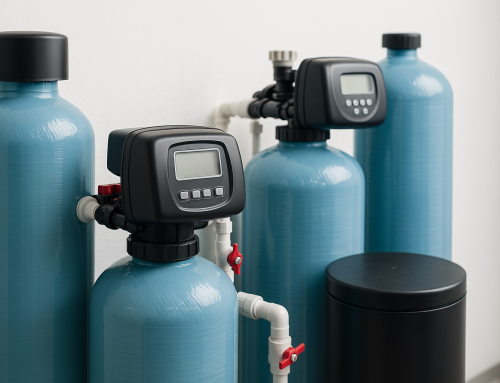
- Water softeners: Not a filter per se, but often paired with filtration to address hardness and prevent scale buildup.
- UV disinfection: Added when microbial contamination is a concern; it inactivates bacteria and viruses but does not remove particles.
Choosing the Right System for Your Home
Test Your Water First
Start with a water test to identify contaminants and levels. Municipal reports can provide basics, but private wells require periodic comprehensive testing. Knowing what you’re treating determines the best system.
Match System to Needs
Consider these questions:
- Is the water municipal or from a private well?
- Are there issues with chlorine taste, iron staining, hardness, or odor?
- Do you need microbial protection?
- What is your household’s water usage?
These answers guide the selection of filter media, flow rate capacity, and whether to combine technologies (for example, carbon plus UV).
Installation and Maintenance
Professional installation ensures correct placement, proper bypass valves, and adherence to local codes. Maintenance typically involves replacing filter cartridges or media on a schedule—often every 6 to 12 months for sediment and carbon cartridges, with media beds lasting several years depending on load. Regular maintenance keeps water quality high and prevents system damage.
Cost and Return on Investment
Initial costs vary by system complexity and home size. Basic whole home filters start lower, while multi-stage systems with specialty media and UV can cost more. Factor in long-term savings from fewer appliance repairs, lower detergent use, and better plumbing performance. For many homeowners, improved health and convenience justify the investment.
Common Contaminants Addressed
- Chlorine and chloramines
- Sediment, rust, and particulates
- Iron and manganese
- Volatile organic compounds (VOCs)
- Hydrogen sulfide (rotten egg odor)
- Some heavy metals (depending on media)
For bacteria and viruses, add a UV disinfection stage or point-of-use RO and ensure any microbial concerns are addressed by a professional.
Frequently Asked Questions
Will a whole home filter remove lead?
Some systems can reduce lead, but you need a certified filter media specifically tested for lead removal. A water test and professional recommendation are essential.
How often do filters need changing?
It depends on water quality and system size. Typical cartridge changes occur every 6-12 months; media beds and UV lamps have longer life spans but will require scheduled replacement.
Conclusion
Whole home water filtration is a smart investment for healthier, better-tasting water at every tap and for protecting plumbing and appliances. Start with a water test, choose a system that targets your specific contaminants, and rely on professional installation and maintenance for best performance. To explore options and schedule an appointment, reach out to Custom Filtration Systems — their experts can recommend the right whole home solution for your family and arrange a professional onsite assessment.