Why Regular Water Softener Maintenance Matters
Water softeners play a crucial role in protecting plumbing, appliances, and skin from the damaging effects of hard water. Routine maintenance keeps the system efficient, extends its lifespan, prevents clogs, and ensures consistently soft water. Skipping maintenance can lead to poor performance, higher energy bills, or costly repairs.
Monthly Maintenance Checklist
1. Check the Salt Level
Inspect the brine tank monthly. Keep salt at least one-quarter full—too low and the unit can’t regenerate properly. Use high-purity salt (pellets or crystals) recommended by the manufacturer to minimize bridging and residue.
2. Inspect for Salt Bridges and Salt Mushing
Salt can form a hard crust (bridge) or a wet sludge (mushing) that prevents the salt from contacting water. Gently tap the tank side or probe with a broom handle to break a bridge. If you find mush, it often needs removal and a thorough rinse.
3. Confirm Regeneration Settings
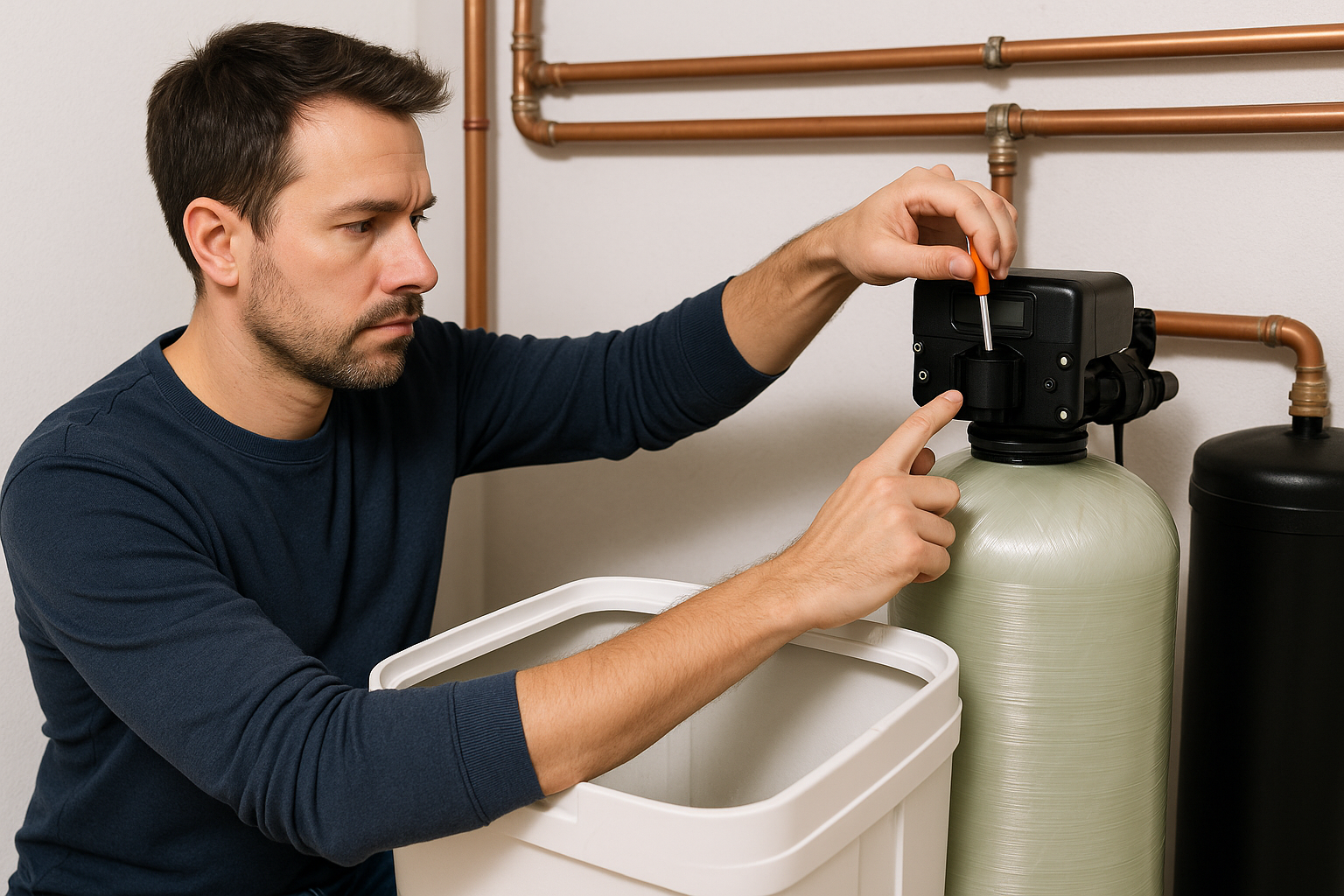
Check the system’s timer and settings to ensure regeneration cycles are scheduled based on your household water use and hardness level. Adjust if water usage changes seasonally.
Quarterly and Semi-Annual Tasks
1. Clean the Brine Tank
Every 3–6 months, depending on salt type and household usage, clean out excess sediment. Power down and bypass the softener, empty the tank, rinse with a mild soapy solution, and flush thoroughly before refilling with fresh salt.
2. Inspect Valves and Hoses
Look for signs of leaks, corrosion, or loose fittings. Tighten fittings and replace worn hoses. A small leak left alone can cause big problems over time.
3. Test Water Hardness
Use a home test kit to verify the softened-water output. If hardness readings rise, it could indicate issues with regeneration, resin breakdown, or salt problems.
Annual Maintenance and Professional Service
1. Resin Bed Check
Resin beads can foul or lose effectiveness over years. A professional can test and, if necessary, clean or replace the resin to restore performance.
2. Deep Clean and Sanitization
At least once a year, perform or schedule a thorough sanitization of the system to eliminate bacterial growth and odors, especially if you’ve had an extended salt shortage or contamination event.
3. Professional Inspection
A licensed technician can check electrical components, the control head, brine line, and resin. They’ll also run performance diagnostics and make manufacturer-recommended adjustments.
Common Problems and Troubleshooting
Problem: Softener Isn’t Producing Soft Water
Poor regeneration, low salt, a salt bridge, or exhausted resin are common causes. Start by checking salt and regeneration settings; if the issue continues, test hardness and contact a pro.
Problem: Iron Stains or Odors
Iron can foul resin and cause odors. Consider specialized resin or pre-filters and schedule a professional clean. If sulfur odors are present, a different treatment may be necessary.
Problem: Short Cycling or Excessive Salt Use
Short cycling often means the control valve is malfunctioning or settings are wrong. Excessive salt use can result from wrong settings, faulty meters, or leaks. A technician can diagnose and correct these issues.
Tools, Supplies, and Best Practices
- Salt: Use high-purity, manufacturer-recommended salt (pellets or crystals).
- Test Kits: Keep a water hardness test kit on hand to monitor performance.
- Basic Tools: Screwdrivers, pliers, a small wet/dry vacuum for brine tank cleaning, and a soft brush.
- Manual: Store the user manual and model number—essential when ordering parts or scheduling service.
- Safety: Turn off power and bypass the system before doing internal service. Avoid harsh chemicals inside the tank unless recommended by the manufacturer.
When to Call a Professional
Call a pro if you encounter persistent hardness, unusual noises during regeneration, persistent leaks, or if resin replacement or control-valve repair is required. Professional service is a smart investment when troubleshooting becomes complex or when you prefer guaranteed results.
If you’d like expert help, reach out to Custom Filtration Systems to schedule an appointment — they can perform diagnostics, deep cleaning, and any necessary repairs or upgrades.
Conclusion
Routine water softener maintenance is straightforward: monitor salt, prevent bridges, clean periodically, test water hardness, and schedule annual professional checks. With a little regular care, your system will provide reliable, soft water while protecting pipes and appliances. For professional maintenance or an appointment, contact Custom Filtration Systems — a trusted partner for keeping your softener in top shape.