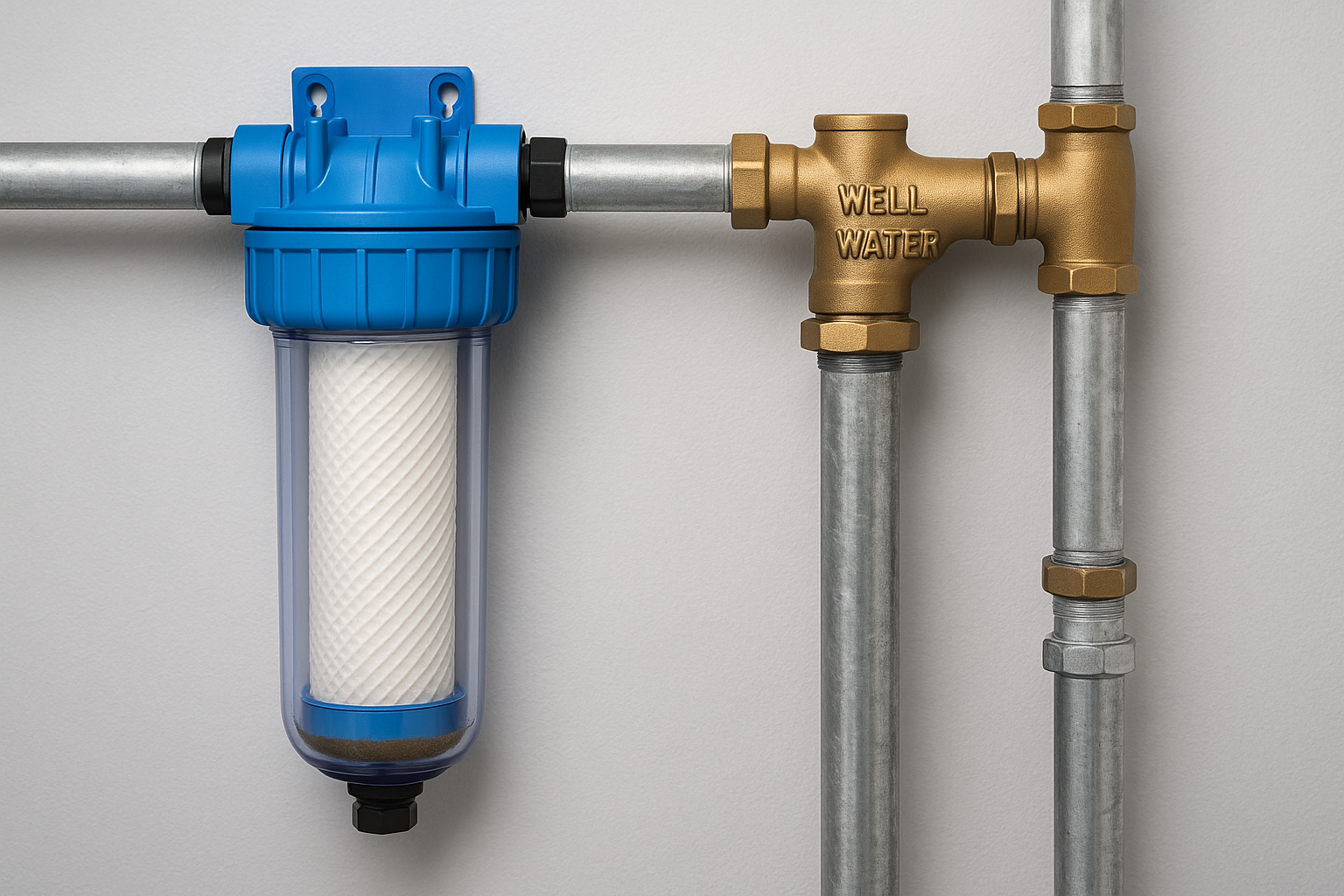
Why Sediment Filtration Matters for Well Water
Well water can be an excellent water source, but it often carries visible and invisible sediment: sand, silt, rust, and organic debris. These particles damage plumbing, clog faucets and appliances, and reduce the effectiveness of other water treatment systems. Installing the right sediment filtration system protects your home, improves water clarity, and extends the life of your pumps and water-using appliances.
What Is Sediment in Well Water?
Common types of sediment
- Sand and grit: Coarse particles that settle quickly and abrade pumps and fixtures.
- Silt and clay: Fine particles that make water look cloudy and can pass through coarse filters.
- Rust and corrosion: Iron and manganese particles from well casing or plumbing.
- Organic debris: Decaying plant material or biofilm that contributes to discoloration and odors.
How sediment affects water systems
Even small amounts of sediment can reduce the efficiency of water heaters, shorten the life of washing machines and dishwashers, and increase maintenance costs. Sediment also interferes with chemical treatment processes and can harbor bacteria when organic matter is present.
How Sediment Filters Work
Sediment filters remove particles by trapping them in a filter medium or using centrifugal and mechanical separation. The right filter captures particles down to a specific micron size while allowing adequate flow for household needs.
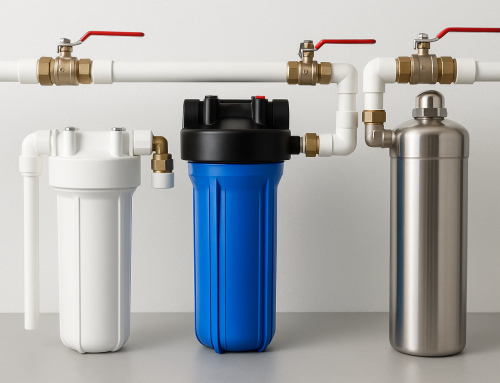
Types of sediment filters
- Sediment cartridge filters: Disposable or replaceable elements, rated by micron size (e.g., 5, 10, 50 micron). Great for fine filtration but require regular replacement.
- Spin-down (clear bowl) filters: Mechanical pre-filters that trap larger particles in a clear housing that you flush out—excellent as a first stage.
- Multimedia filters: Use layers of different media (sand, anthracite) to capture a broad range of particle sizes; good for high sediment loads.
- Sand separators / cyclonic filters: Use centrifugal force to remove sand and grit before it reaches finer filters or pumps.
Micron ratings and flow rates
Micron ratings indicate the smallest particle size a filter will capture. For households, common setups include a 50–100 micron pre-filter (spin-down) followed by a 5–10 micron cartridge for finer polishing. Ensure filters are sized to handle your household peak flow (gallons per minute) without excessive pressure drop.
Selecting the Right Sediment Filtration System
Assess your water first
Start with a water test and a visual inspection. Is the sediment mostly sand, or is water merely cloudy? How often do you need to clean faucet aerators or appliance screens? A professional water analysis provides particle size distribution and identifies iron or organic materials that may require additional treatment.
Choose filtration stages
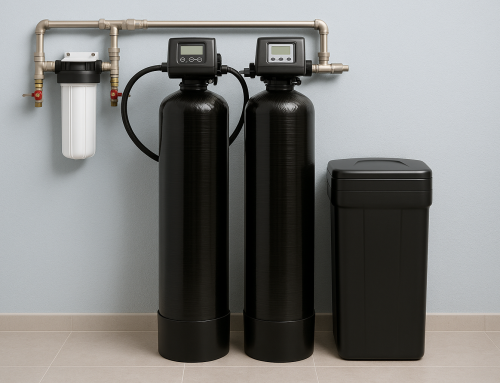
Most reliable systems use staged filtration: a coarse pre-filter or sand separator to remove large particles, followed by a finer cartridge or multimedia filter. For wells with heavy iron or manganese, include filters or oxidation systems designed for those contaminants.
Sizing and placement
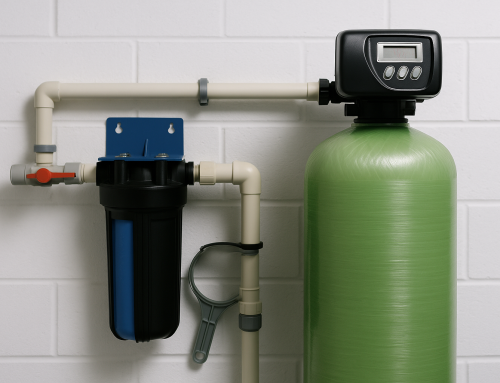
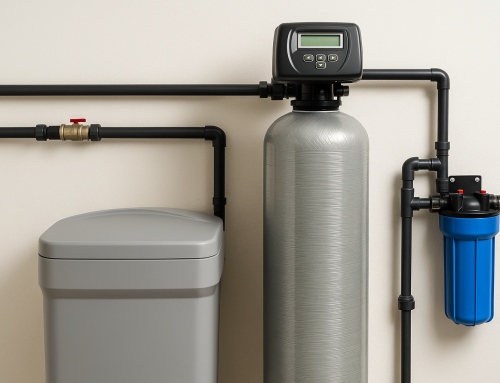
Place the sediment filtration system where water first enters the home—upstream of pressure tanks, softeners, and other treatment equipment. Proper sizing ensures consistent flow and minimizes wear on pumps.
Installation and Maintenance Tips
DIY vs professional installation
If you’re handy, basic cartridge and spin-down filters are often DIY-friendly. However, for complex systems, multimedia filters, or if you need to coordinate with your pump and pressure tank, professional installation ensures correct placement, plumbing connections, and warranty protection.
Routine maintenance
- Inspect and clean spin-down housings monthly for the first few months, then as needed.
- Replace cartridges according to manufacturer guidance or sooner if you notice reduced flow or cloudy water.
- Monitor pressure changes—significant drop can indicate a clogged filter.
- Keep a maintenance log to track replacements and flushing frequency.
Cost Considerations
Costs vary by system: simple spin-down filters and cartridge setups are relatively affordable, while multimedia filters and professional installation increase the price. Consider lifecycle costs: frequent cartridge replacements and pump repairs from unfiltered sediment can exceed the upfront price of a more robust system.
Common Problems & Troubleshooting
- Quick clogging: Likely due to very high sediment loads—add a coarse pre-filter or check well construction.
- Persistent discoloration: May indicate dissolved iron or organics—combine sediment filtration with oxidation or carbon filtration.
- Low flow after installation: Check for incorrect micron sizing or improperly installed bypass valves.
Conclusion
Proper sediment filtration is one of the best investments for well-water homes: it protects plumbing and appliances, improves water clarity, and reduces maintenance headaches. Start with a water assessment, choose a staged filtration approach, and keep a consistent maintenance schedule. For expert guidance on the right system for your well and to schedule professional installation, reach out to Custom Filtration Systems to set an appointment—our team can help you find the most reliable and cost-effective solution for your home.